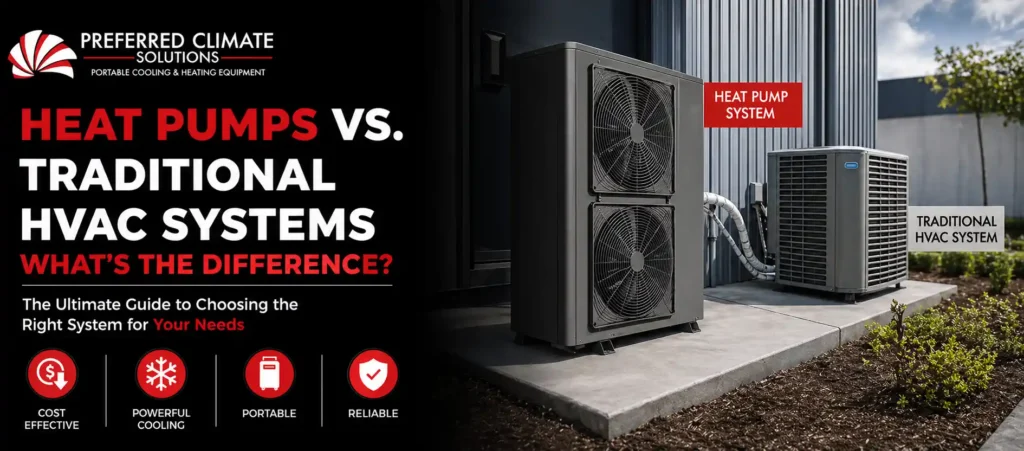
Keeping your home warm and your water hot is one of the biggest ongoing costs for any household. With energy prices rising and more people wanting to reduce their carbon footprint, many homeowners are asking whether it’s time to move on from gas or electric resistance heating. One technology attracting serious attention is heat pumps. Unlike traditional systems that generate heat by burning fuel or heating an element, heat pumps simply move existing heat from one place to another, and that difference changes almost everything about how they perform.
If you’re thinking about residential heat pumps for your home, it helps to understand how they compare with the systems most of us grew up with. Here’s a clear look at how each option works, where they differ, and which might suit your household.
How Heat Pumps Work
A heat pump works much like a refrigerator in reverse. It draws heat from the surrounding air (or ground), concentrates it using a refrigerant and compressor, and transfers it into your home or hot water tank. Even on cool days, outdoor air contains usable heat energy, so the system can keep working when temperatures drop.
Because heat pumps move heat rather than create it, they use far less electricity than you might expect. For every unit of electricity consumed, a quality heat pump can deliver three to five units of heat. That ratio is known as the coefficient of performance (COP), and it’s the main reason heat pumps are considered so efficient.
How Traditional Heating Systems Work
Traditional systems generate heat directly. Gas heaters and boilers burn natural gas or LPG to produce warmth. Electric resistance heaters, including many older storage hot water systems and radiant panels, pass electricity through an element that heats up, much like a toaster.
These systems are familiar, straightforward, and often cheaper to buy. However, they can never deliver more than one unit of heat for each unit of energy consumed, and in practice gas systems lose some heat through flues and exhausts. That efficiency ceiling is where the two technologies really part ways.
Key Differences at a Glance
Energy Efficiency
This is the biggest gap. A heat pump can be three to five times more efficient than an electric resistance system, and considerably more efficient than most gas units. Less energy in means the same comfort out.
Running Costs
Higher efficiency usually means lower bills. Households that switch from electric resistance water heating to a heat pump often see significant savings on their energy costs, particularly in homes with high hot water demand. Pairing a heat pump with rooftop solar can reduce costs even further, since the system can run on power you generate yourself.
Environmental Impact
Gas systems produce direct greenhouse gas emissions every time they run. Electric resistance heating relies on a lot of electricity, which may come from fossil fuel sources. Heat pumps use much less electricity overall, and as the grid gets greener, their emissions footprint keeps shrinking. For environmentally conscious households, this is a strong selling point.
Upfront Cost and Installation
Traditional systems generally cost less to purchase and install. Heat pumps carry a higher initial price, though rebates, incentives, and energy-saving programs in many regions help close the gap. When you factor in lower running costs over the system’s lifetime, the total cost of ownership often favours the heat pump.
Installation also needs a little more planning. A heat pump requires adequate space and airflow, and a licensed professional should always handle the setup to ensure it performs efficiently and safely.
Performance in Different Climates
Older heat pump models struggled in very cold conditions, which left some homeowners sceptical. Modern units have come a long way. Many now operate reliably in low temperatures, and in mild to moderate climates they perform exceptionally well year-round. If you live somewhere with harsh winters, it’s worth choosing a model designed for cold-climate operation.
Maintenance and Lifespan
Both system types need regular servicing. Gas appliances require periodic safety checks, while heat pumps need occasional cleaning of filters and coils and a check of refrigerant levels. A well-maintained heat pump typically lasts 10 to 15 years or more, comparable to or longer than many traditional systems.
Which Option Is Right for You?
The best choice depends on your home, budget, and priorities. A traditional system might make sense if you have a very small household, a tight upfront budget, or an existing setup that’s still running well. But if you’re replacing an ageing system, building new, or trying to reduce your bills and emissions, a heat pump is well worth serious consideration.
Ask yourself a few questions:
- How much do I currently spend on heating and hot water?
- Do I have solar panels, or plans to install them?
- Is my climate suited to a standard or cold-climate model?
- Am I eligible for rebates or incentives in my area?
Speaking with a qualified installer can help you weigh these factors and size a system correctly for your household.
Final Thoughts
The difference between heat pumps and traditional heating systems comes down to one idea: generating heat versus moving it. That single distinction gives heat pumps a major advantage in efficiency, running costs, and environmental impact, while traditional systems still win on upfront price and simplicity.
For most households planning for the long term, the savings and sustainability benefits make heat pumps a smart investment. Take the time to compare your options, get professional advice, and choose a system that keeps your home comfortable for years to come.