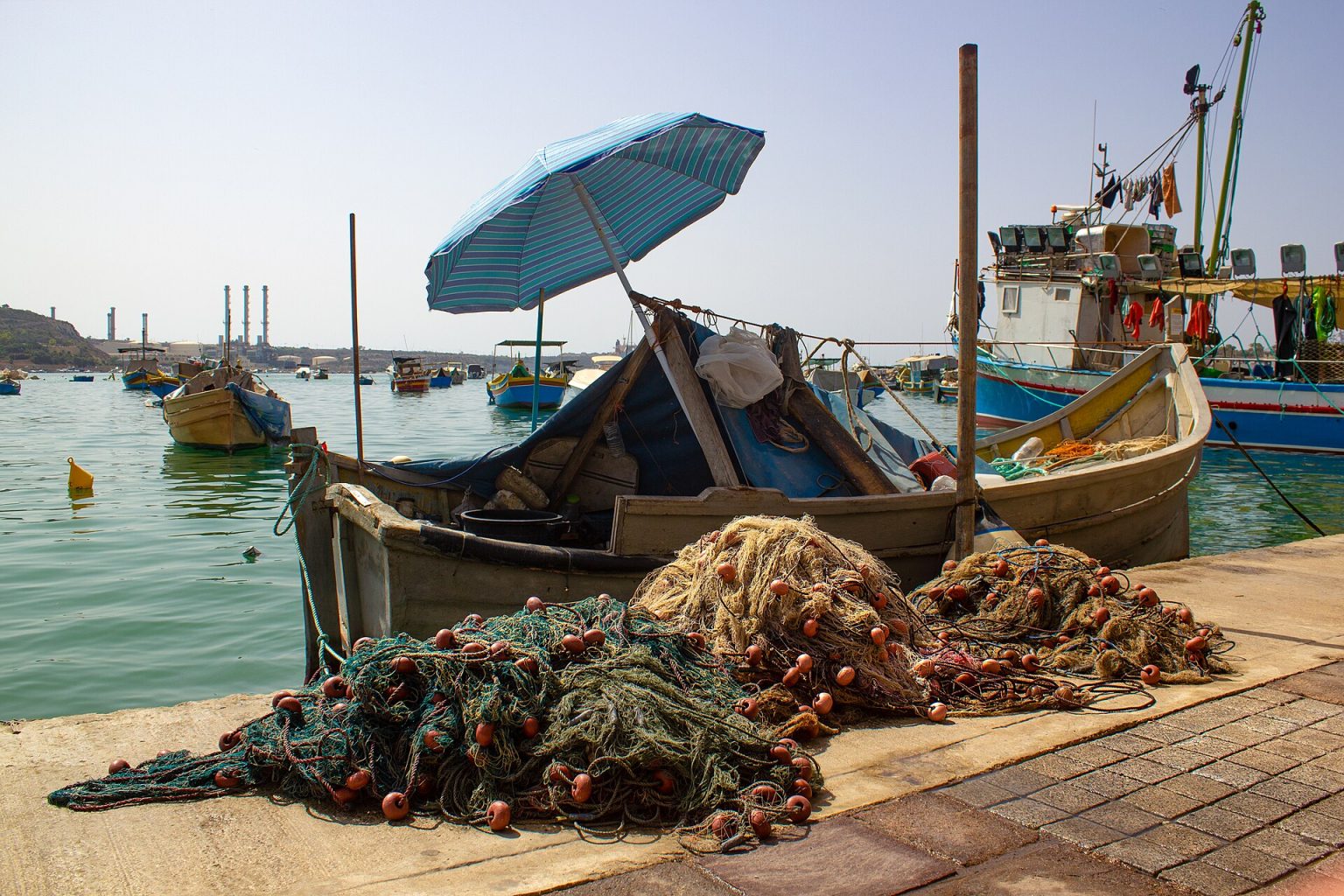

The statistics arrive as biology, but along the Gulf Coast they are read as economics. A major new study of marine life in the Gulf of Mexico has found that populations of fish and other sea creatures declined dramatically in the years following the 2010 Deepwater Horizon disaster — and, in many areas, have not come back. For communities whose docks, processing plants and family incomes depend on what comes out of the water, the findings describe their balance sheets as much as the ecosystem.
The BP spill released millions of barrels of oil into the Gulf over 87 days, in full view of the world’s cameras. Less visible has been the long tail: oil residues in sediments, damaged marsh nurseries, and chronic exposure for species that live decades. Researchers tracking the recovery have repeatedly found that the Gulf’s most productive zones — the marshes and estuaries where young fish shelter — remain diminished, a story our science desk has followed through successive surveys.
The Working Coast Feels It First
Commercial landings tell the human version of the data. Oyster harvests in parts of Louisiana have never regained pre-spill levels; shrimpers describe travelling further for smaller catches; charter captains build seasons around what the water still offers. Some of this decline has other causes — coastal land loss, river sediment changes, warming water, a seasonal dead zone fed by farm runoff — and scientists are careful to apportion blame. But the spill’s shadow falls across all of it, because a stressed ecosystem absorbs new insults worse than a healthy one.
Restoration money, ironically, is the region’s other economic fact. Billions in settlement funds have financed marsh rebuilding, reef construction and water projects across five states, employing many of the same hands that fish. Whether that spending can outpace the underlying decline is the Gulf’s defining environmental question, tracked closely by agencies such as the National Oceanic and Atmospheric Administration.
A Baseline That Keeps Moving
Perhaps the study’s most unsettling implication is about baselines. Each generation of Gulf residents calibrates ‘normal’ to the coast they grew up with. A decline measured across fifteen years can look, from a dock, like stability — the boats still go out. The science says the water holds less than it did, which means the economy built on it is quietly overdrawn.
What Recovery Would Actually Require
Fisheries scientists are specific about the ingredients of recovery where it has happened elsewhere: nursery habitat restored at scale, harvest pressure adjusted while stocks rebuild, water quality defended against the nutrient flows that feed the dead zone, and time — the ingredient no policy can manufacture. The Gulf has examples of each working locally, from rebuilt oyster reefs to managed fisheries that steadied. What it has lacked is all of them at once, sustained for the decades that long-lived ecosystems require.
There is also a monitoring argument. The new study exists because scientists maintained survey series across the spill years, through funding droughts and news cycles. Without that patient counting, decline is anecdote and recovery is rumour. The Gulf’s fishing families, whose knowledge of these waters predates the surveys, have become essential witnesses in both directions — which may be the study’s most hopeful finding: the people with the most to lose are the ones insisting on the count.
The working coast has absorbed shocks before — storms, spills, dead zones — and its resilience is part of the region’s identity. What unsettles old hands this time is the trend underneath the shocks: each recovery a little thinner than the last.
Recovery, where it happens, is measured in decades for long-lived species and marsh systems. The new findings argue for treating the Gulf not as a spill site that was cleaned, but as a patient still in treatment — one whose bills, and whose catches, arrive in the same envelope. More at oneonenews.com.