
From Pacific Northwest winter markets to Midwest herbal co-ops and Northeast apothecaries, small-batch syrups are gaining ground. Customers buy locally made elderberry blends, botanical tonics, and seasonal syrups because they want short ingredient lists and transparent sourcing.
For farmers market syrup vendors and regional health food stores, that reputation can be fragile. A bottle may spend hours in daylight at a county fair booth, ride in a delivery crate to a nearby town, and then sit under bright shop lighting. Those conditions can stress light-sensitive ingredients and lead to changes customers notice.
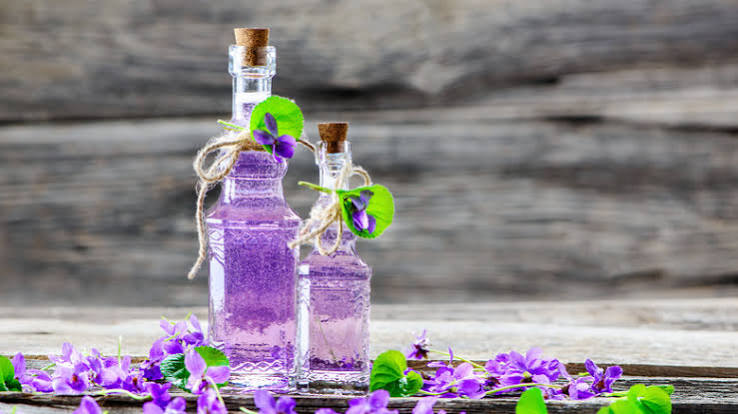
That is one reason more regional makers are choosing violet glass instead of clear packaging. A purpose-built syrup bottle can help reduce avoidable light exposure during transport, retail display, and everyday use.
What changes when a syrup sees too much light
Many natural liquids contain plant pigments, aromatic compounds, or vitamins that can be sensitive to light. Depending on the recipe, exposure may contribute to color fading or darkening, a flatter aroma or altered taste, and faster breakdown of certain actives.
Packaging will not replace good formulation work, but it can help control one of the easiest external variables.
Why violet glass is showing up in regional supply chains
Violet glass is often described as bio-photonic. In practical terms, it blocks most visible light while allowing specific wavelengths through. The goal is to better shield light-sensitive products than standard clear glass.
For regional brands, this matters because distribution is rarely perfect. A producer might sell direct at a coastal market one day, then restock a shop two counties away the next.
Local vignettes from three regions
In the Pacific Northwest, many makers sell through rainy-season indoor markets where bright overhead LEDs run all day. Bottles can sit under those lights from setup to closing.
In the Midwest, co-ops often place larger, less frequent orders. Cases may be stored in back rooms and rotated over time, so packaging that helps protect quality during longer shelf periods becomes more important.
In the Northeast, apothecaries and gift shops frequently use window displays to catch foot traffic. Even in cooler months, daylight exposure through glass can add up.
Production details that matter as you grow
As makers move from kitchen batches to a shared commercial space, packaging needs become more technical. Neck finish, closure choice, and dosing all affect filling speed and customer use.
Many violet glass syrup bottles are available in sizes such as 100 ml, 250 ml, and 500 ml. A PP28 screw thread is common and can pair with tamper-evident caps and dosing accessories.
Keeping packaging consistent across local product lines
Many local wellness brands also make balms, creams, and salves. When jars and bottles share the same material and visual style, a shelf display looks more cohesive at a market stall or in a neighborhood shop.
Matching formats like glass cosmetic jars can support that consistent presentation while offering similar light-protection benefits for sensitive formulations.
Note: This article is informational and does not provide medical advice or stability guarantees. Always validate packaging choices with appropriate testing for your specific formulation.