
Businesses that depend on moving goods quickly need shipping solutions that offer speed, reliability and efficient handling. Whether transporting commercial products, urgent documents, industrial equipment or time-sensitive shipments, air freight can provide an effective option when delivery time is a priority.
For businesses operating in Brisbane, air freight connects local companies with domestic and international markets. It can support supply chains, help manage urgent orders and provide access to a wider range of shipping destinations.
However, choosing the right air freight option involves more than comparing delivery times. Businesses also need to consider shipment size, weight, packaging, customs requirements, handling procedures and overall transportation costs.
Understanding how air freight works can help businesses make informed shipping decisions and select services that match their delivery requirements.
Understanding Air Freight Services in Brisbane
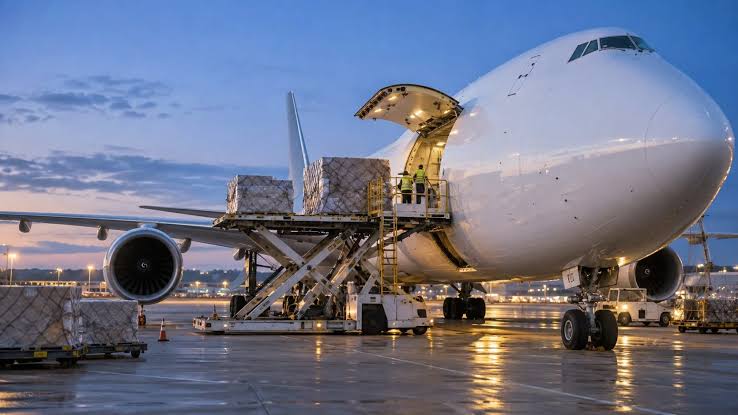
Air freight involves transporting goods by aircraft between airports. It is commonly used when businesses need to move products over long distances within shorter timeframes than many traditional shipping methods.
Brisbane businesses can use air freight for different types of shipments, depending on the service provider, destination and applicable transportation requirements.
Common examples include:
- Commercial and retail products.
- Manufacturing components.
- Industrial equipment and spare parts.
- Urgent business consignments.
- Medical and healthcare-related supplies.
- International imports and exports.
Businesses looking for reliable air freight services in Brisbane should consider the provider’s delivery network, shipment handling capabilities, collection arrangements and communication throughout the transportation process.
How Does the Air Freight Process Work?
The air freight process generally involves several stages, from preparing the shipment to final delivery.
1. Booking and Shipment Details
The first step is providing the freight provider with the necessary shipment information. This usually includes the collection and delivery addresses, cargo description, dimensions, weight and preferred delivery timeframe.
Accurate information helps the provider recommend a suitable service and calculate the freight charges.
2. Collection and Packaging
Once the shipment is booked, the goods may be collected from the sender or delivered to a designated freight facility.
Proper packaging is important because shipments may be handled multiple times during transportation. Goods should be packed securely and labelled with the required delivery information.
3. Documentation and Security Checks
Air freight shipments require appropriate documentation. Depending on the destination and type of goods, this may include commercial invoices, packing lists, air waybills and other supporting documents.
Shipments are also subject to applicable aviation security requirements before being loaded onto an aircraft.
4. Air Transportation
After processing and acceptance, the cargo is transported to the departure airport and loaded onto the scheduled aircraft.
The shipment then travels to the destination airport, where it undergoes the relevant arrival and handling procedures.
5. Customs Clearance and Delivery
International shipments may require customs clearance and other regulatory checks before release.
Once the necessary requirements have been completed, the goods can be collected or arranged for final delivery to the recipient.
Types of Air Freight Services Available
Different air freight services are designed to meet different business requirements. The most suitable option depends on delivery urgency, shipment characteristics and budget.
1. Domestic Air Freight
Domestic air freight is used to transport goods between Australian cities and regional destinations.
It can be useful for businesses sending urgent stock, replacement components or commercial products between locations.
For Brisbane businesses, domestic services can help connect shipments with other major Australian freight destinations.
2. International Air Freight
International air freight allows businesses to import and export products between countries.
It is commonly used by companies that need to transport goods across international markets within shorter timeframes.
International shipments require additional planning because businesses must consider customs documentation, import conditions, duties and destination-specific regulations.
3. Express Air Freight
Express air freight is designed for shipments that require particularly urgent transportation.
It may be suitable for important business documents, replacement parts, urgent commercial orders and other time-sensitive consignments.
The availability of express services depends on the destination, flight schedules, shipment acceptance deadlines and provider network.
4. Consolidated Air Freight
Consolidated air freight combines shipments from different customers into a shared cargo arrangement.
This option can help businesses manage freight costs when their individual shipment does not require a full dedicated cargo allocation.
However, consolidated services may involve additional handling or scheduling time compared with direct or express arrangements.
Factors That Affect Air Freight Costs
Air freight charges depend on several factors. Businesses should understand how these are calculated before comparing shipping quotations.
Common cost considerations include:
- Shipment weight: The actual weight of the cargo.
- Volumetric weight: The amount of space occupied by the shipment.
- Destination: The distance and available freight routes.
- Service speed: Express and priority services may cost more.
- Cargo type: Special handling requirements can affect pricing.
- Packaging: Oversized or unusual packaging may influence charges.
- Additional services: Collection, customs assistance and final delivery may involve extra costs.
Air freight providers commonly calculate charges using either actual weight or volumetric weight, depending on which is greater.
This means a large but lightweight package may attract a higher charge than expected because it occupies more cargo space.
Businesses should provide accurate dimensions and weight when requesting a quotation to avoid unexpected adjustments.
Preparing Goods for Air Freight
Proper shipment preparation helps reduce handling problems and supports smoother transportation.
Before sending goods by air, businesses should consider the following:
- Use packaging appropriate for the product.
- Protect fragile items with suitable cushioning.
- Securely seal cartons and containers.
- Include accurate sender and recipient details.
- Check shipment weight and dimensions.
- Prepare required shipping documentation.
- Confirm whether the goods are restricted or prohibited.
Certain products, including dangerous goods, batteries, chemicals and other regulated items, may have additional air transportation requirements.
Businesses should confirm acceptance conditions with their freight provider before booking.
Understanding Customs and Documentation Requirements
International air freight involves additional documentation and regulatory responsibilities.
Incomplete or inaccurate information can delay shipment processing, customs clearance or delivery.
Common documents include:
- Air waybill.
- Commercial invoice.
- Packing list.
- Customs declarations.
- Import or export permits, where applicable.
- Certificates or supporting documents required for specific products.
The exact documentation depends on the shipment, its origin, destination and contents.
Australian importers and exporters should check applicable requirements with the Australian Border Force and relevant government authorities before arranging international transportation.
How to Choose an Air Freight Provider in Brisbane
Selecting a suitable freight provider is important for businesses that rely on timely deliveries and consistent shipment handling.
Before making a decision, consider the following factors:
1. Service Coverage
Check whether the provider supports the domestic and international destinations your business regularly uses.
2. Delivery Options
Ask about standard, express and consolidated services. Confirm the estimated transit time and any booking cut-off requirements.
3. Shipment Handling
Understand how the provider manages fragile, oversized, valuable or specialised cargo.
4. Tracking and Communication
Shipment tracking and regular updates can help businesses monitor deliveries and respond to potential delays.
5. Pricing Transparency
Request a clear quotation that identifies freight charges, handling fees, customs-related costs and additional delivery expenses.
6. Customer Support
A responsive support team can be valuable when shipments require additional documentation, delivery changes or assistance with unexpected issues.
Common Air Freight Mistakes Businesses Should Avoid
Even when using an established freight provider, poor shipment preparation can create unnecessary complications.
Some common mistakes include:
- Providing incorrect shipment dimensions or weight.
- Using unsuitable packaging.
- Missing documentation requirements.
- Booking too close to the required delivery date.
- Overlooking restricted cargo conditions.
- Assuming estimated transit times are guaranteed.
- Not confirming customs responsibilities for international shipments.
Planning ahead and checking the shipment details before dispatch can help businesses reduce these risks.
Making the Most of Air Freight for Your Business
Air freight can be a valuable shipping option for Brisbane businesses that need to move goods quickly across domestic and international markets. It offers flexibility for different shipment types, from urgent commercial consignments to larger freight requirements.
However, selecting the right service requires careful consideration of delivery timeframes, shipment dimensions, packaging, documentation and overall costs.
Businesses should compare providers based on their service coverage, handling capabilities, tracking options and pricing transparency. By preparing shipments correctly and understanding the transportation process, companies can make more informed decisions and manage their freight requirements effectively.