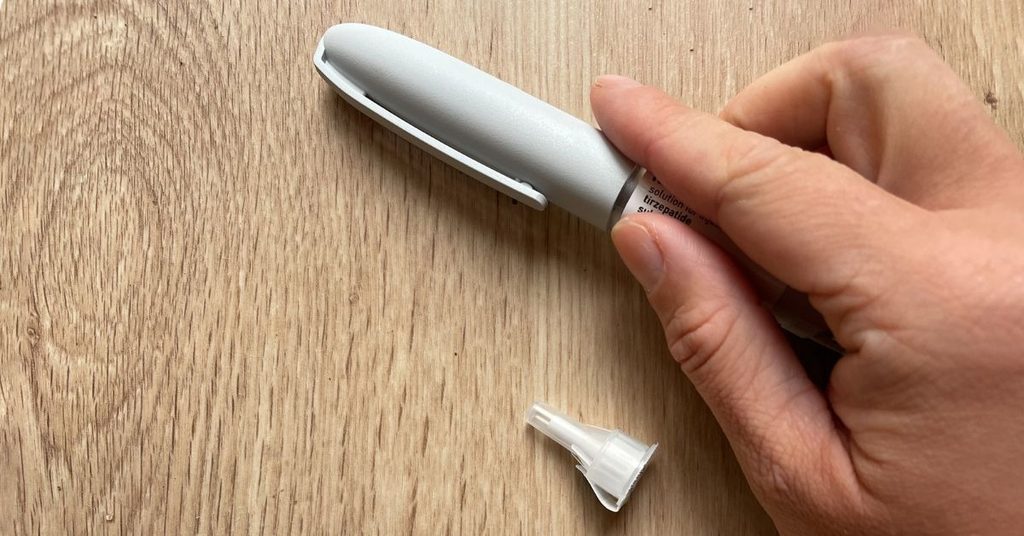
Ozempic is a prescription medication that can help eligible adults manage blood sugar levels when used as directed by a healthcare provider. Its active ingredient, semaglutide, belongs to a class of medicines called GLP-1 receptor agonists. While Ozempic can influence blood sugar, digestion, and appetite, healthy daily habits can also play an important role in supporting treatment.
Medication works best when it is part of an overall care plan. Eating balanced meals, staying physically active, getting enough sleep, drinking enough fluids, and following the prescribed treatment schedule can help create a healthier routine. These habits do not replace Ozempic, but they can support the goals of treatment and help you manage your health more consistently.
AM Rx provides online healthcare services for eligible patients who may be considering semaglutide-based treatment. Patients interested in an ozempic weight loss prescription can complete a health assessment for review by a licensed healthcare provider, who can determine whether treatment is appropriate based on individual health needs and goals.
How Healthy Eating Can Support Ozempic Treatment
Food choices can have an important role in blood sugar management and overall health. Ozempic can help improve blood glucose control by increasing insulin release when blood sugar is elevated and reducing glucagon secretion. It also slows stomach emptying, which can affect how quickly food moves through the digestive system.
A balanced eating pattern can complement these effects. Meals that include vegetables, fruits, lean protein, whole grains, and other nutrient-rich foods can provide important vitamins, minerals, fiber, and protein. Choosing appropriate portions may also make it easier to manage overall food intake, particularly if Ozempic reduces appetite.
Some people experience nausea, stomach discomfort, diarrhea, or constipation while taking Ozempic. Eating smaller meals, avoiding foods that seem to worsen digestive symptoms, and maintaining a regular eating pattern may make daily eating more comfortable. If digestive symptoms are persistent or severe, speak with your healthcare provider rather than changing your medication on your own.
Staying Active During Ozempic Treatment
Physical activity can complement the health benefits of medication and nutrition. Regular movement supports cardiovascular health, muscle strength, fitness, and energy balance. For people managing type 2 diabetes, physical activity can also be an important part of maintaining healthy blood glucose levels.
You do not necessarily need an intense workout routine to become more active. Walking, cycling, swimming, resistance exercises, and other activities can be included based on your fitness level and health needs. Starting gradually may make it easier to build a routine that you can maintain over time.
If you have not exercised regularly, your healthcare provider can help you determine what level of activity is appropriate. The goal is to create sustainable habits rather than expecting dramatic changes immediately.
Staying Hydrated While Taking Ozempic
Drinking enough fluids is another useful part of a healthy routine. Adequate hydration supports normal body functions and can be especially important if you experience vomiting or diarrhea while taking Ozempic.
Water is generally a simple choice for maintaining fluid intake. Your individual fluid needs can vary depending on factors such as activity level, climate, diet, and other health conditions.
If you have ongoing vomiting, diarrhea, difficulty keeping fluids down, or signs of dehydration, contact your healthcare provider. Do not assume that severe symptoms are simply a normal part of treatment.
Getting Enough Sleep and Managing Stress
Sleep and stress can also influence daily health habits. Poor sleep may make it harder to maintain regular meals, exercise consistently, and make balanced food choices. Ongoing stress can also affect eating patterns and make it more difficult to follow a structured routine.
Creating a regular sleep schedule, limiting unnecessary screen time before bed, and keeping a consistent nighttime routine may support better sleep. Stress-management activities such as walking, breathing exercises, hobbies, or relaxation techniques can also help create a healthier daily pattern.
These habits do not directly replace the effects of Ozempic. Instead, they can make it easier to maintain the lifestyle changes that are often included in a broader diabetes or weight-management plan.
Following Your Ozempic Treatment Plan
Healthy habits also include taking your medication exactly as prescribed. Ozempic is generally administered once weekly, and your healthcare provider determines the appropriate dose and schedule. Treatment commonly begins with a lower dose before increasing according to the prescribed plan.
Following the recommended schedule can help keep treatment consistent. It is important not to increase, decrease, or stop your medication without discussing the change with your healthcare provider.
You should also tell your provider about other medications, supplements, and health conditions. This information can help your provider determine whether Ozempic is appropriate and how your treatment should be managed.
How AM Rx Can Support Your Ozempic Routine
AM Rx provides online healthcare that can connect eligible patients with licensed providers for prescription treatment. Through its Ozempic service, patients can complete a health assessment, have their information reviewed by a provider, and receive a prescription when medically appropriate.
Ongoing support can be useful because treatment involves more than receiving a prescription. Your provider can consider your health history, current medications, treatment response, and any side effects when managing your care.
AM Rx can also provide support around healthy lifestyle habits as part of its weight-management services. Nutrition, physical activity, and regular follow-up can work alongside medication when they are appropriate for an individual’s health goals.
It is important to remember that Ozempic is FDA-approved for certain adults with type 2 diabetes and cardiovascular risk reduction in eligible patients. It is not FDA-approved specifically as a weight-loss medication. A healthcare provider can determine whether Ozempic is appropriate for your individual situation.
Monitoring Your Progress Over Time
Healthy habits are easier to maintain when you pay attention to how your body responds. Depending on why Ozempic has been prescribed, your healthcare provider may monitor blood sugar, body weight, symptoms, medication response, and other health measures.
Keeping track of your eating patterns, physical activity, and any side effects can also help you discuss your progress during follow-up appointments. Your treatment plan may need adjustment over time based on how you respond.
Progress may not always happen at the same pace. Some people notice changes in appetite or blood sugar earlier, while other improvements can take longer. Staying consistent with healthy habits and following your provider’s recommendations can help support long-term treatment.
Healthy Habits and Long-Term Health
Ozempic should be viewed as one part of an overall healthcare plan rather than a replacement for healthy habits. A balanced diet, regular physical activity, sufficient sleep, hydration, and consistent medical care can all contribute to better overall health.
For people taking Ozempic for type 2 diabetes, these habits can support blood sugar management alongside prescribed medication. For people discussing weight management with a healthcare provider, lifestyle choices can also be part of a broader plan that may include an appropriate medication.
The most useful habits are usually the ones that can be maintained over time. Extreme diets or unrealistic exercise routines may be difficult to continue. A consistent approach that fits your health needs and daily routine is often more practical.
Final Thoughts
Healthy habits can support Ozempic treatment by creating a stronger foundation for blood sugar management, nutrition, physical activity, and overall well-being. Ozempic can affect appetite, insulin response, glucagon, and digestion, but medication works within the larger context of your daily health routine.
Eating balanced meals, staying active, drinking enough fluids, getting adequate sleep, managing stress, and following your prescribed medication schedule can all contribute to a consistent treatment plan. Regular communication with a healthcare provider is also important for monitoring results and managing side effects.
AM Rx provides access to online medical care where eligible patients can have their health information reviewed by a licensed provider and receive prescription treatment when appropriate. Working with a provider can help ensure that your Ozempic treatment and lifestyle habits are aligned with your individual health needs.