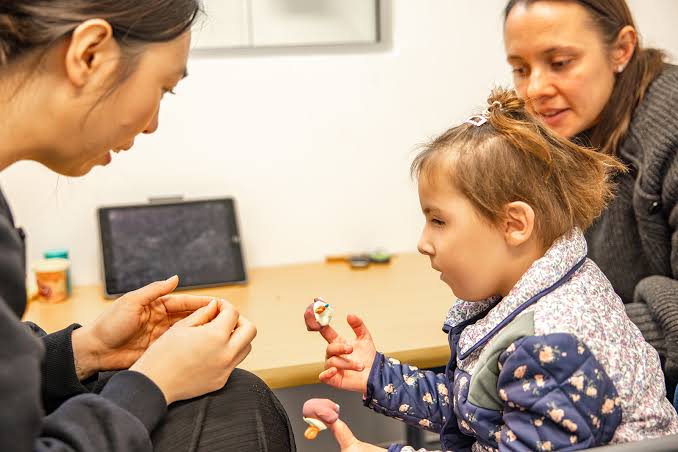

Every child has their own way of communicating, learning, playing and responding to the world around them. Some children may experience sensory input differently, find everyday routines challenging or need additional support with motor skills and emotional regulation. Neuro-affirming occupational therapy recognises these differences and focuses on helping children participate in daily life without expecting them to hide or suppress their natural ways of being.
Rather than concentrating only on behaviours that appear different from those of other children, this approach considers the child’s strengths, preferences, individual needs and personal goals. It aims to create supportive environments where children can develop practical skills, build confidence and participate in activities that matter to them.
For families considering occupational therapy, understanding what a neuro-affirming approach looks like in practice can help them identify support that respects their child’s individuality while addressing everyday challenges.
Understanding Neuro Affirming Occupational Therapy
Neuro-affirming occupational therapy acknowledges that neurological differences are a natural part of human diversity. Children may have different sensory preferences, communication styles, attention patterns and approaches to social interaction. These differences do not automatically need to be corrected.
Instead, therapy focuses on identifying barriers that make everyday activities difficult and finding ways to reduce them. For example, a child who finds a noisy classroom overwhelming may benefit from quieter spaces, sensory breaks or appropriate adjustments to the learning environment.
The therapist works with the child and family to understand what is helpful, what causes discomfort and which skills the child wants to develop. Support is tailored to the child’s developmental stage, interests and circumstances.
The goal is not to make every child behave in the same way. It is to help each child access meaningful activities, communicate their needs and develop greater independence while respecting their wellbeing.
What Does a Typical Therapy Session Look Like?
A neuro-affirming session often involves play, practical activities and opportunities for the child to make choices. The exact structure depends on the child’s needs, interests and therapy goals.
Some children may enjoy building with blocks, drawing, climbing or completing puzzles. Others may prefer quieter activities, movement breaks or time to become comfortable in a new environment. A therapist can use these interests to encourage skill development without making the session unnecessarily stressful.
For example, a child who wants to improve hand coordination might practise using scissors, manipulating building pieces or drawing familiar shapes. A child who finds dressing difficult might work on fasteners, clothing choices and a manageable sequence of steps.
The therapist may also adapt activities when the child shows signs of discomfort or fatigue. This helps create an environment where the child feels safe enough to participate, communicate and try new things at their own pace.
Respecting Sensory Differences
Sensory processing can influence how children respond to sounds, textures, movement, lighting, smells and touch. A child might find a crowded shopping centre overwhelming, dislike certain clothing fabrics or seek movement to help maintain attention.
Neuro-affirming therapy does not assume that every sensory difference needs to disappear. Instead, the therapist works with the child and family to understand sensory preferences and identify practical ways to make everyday environments more comfortable.
Strategies may include:
- Providing access to quieter areas when environments become overwhelming.
- Allowing suitable movement breaks during activities that require sustained attention.
- Exploring comfortable clothing and alternative materials for everyday tasks.
- Reducing unnecessary noise or visual distractions where possible.
- Helping children recognise and communicate when they need a break.
The most appropriate strategy depends on the individual child. Sensory supports should be selected according to the child’s responses and functional needs rather than applied as a standard programme for everyone.
Building Everyday Independence Without Pressure
Occupational therapy often supports the everyday activities children need or want to participate in. These can include getting dressed, brushing teeth, eating meals, managing school materials and taking part in play.
A neuro-affirming approach recognises that independence develops differently for every child. Instead of expecting a child to complete a task in exactly the same way as their peers, the therapist explores what makes the task accessible and manageable.
For instance, a child who struggles with morning routines might benefit from a visual checklist, fewer steps at once or extra preparation time. A child who finds certain grooming activities uncomfortable may need alternative tools, gradual familiarisation or a different routine that better suits their sensory preferences.
Progress is measured through meaningful improvements in participation, comfort and confidence. The focus is on helping the child develop useful skills while preserving their dignity and respecting their limits.
Supporting Emotional Regulation and Communication
Children can experience strong emotions when an activity feels confusing, demanding or overwhelming. They may have difficulty identifying what they are feeling or explaining what they need.
A supportive occupational therapist helps children recognise their experiences and explore strategies that work for them. This may involve identifying early signs of stress, practising ways to request assistance, creating predictable routines or developing a plan for taking breaks.
Communication should be respected in whatever form works for the child. Some children express themselves verbally, while others may benefit from gestures, visual supports, communication devices or other approaches.
The purpose is not to demand that a child remain calm in every situation. Instead, therapy can help adults understand what the child is communicating through their actions and make adjustments that reduce distress.
Working With Parents and Caregivers
Parents and caregivers play an important role in helping children use their skills in everyday settings. A neuro-affirming therapist can collaborate with families to identify practical changes that fit their routines, priorities and available resources.
For example, if getting ready for school regularly becomes stressful, the therapist may help the family identify which parts of the routine are difficult and suggest manageable adjustments. These could include preparing clothes the night before, offering choices or allowing additional time for transitions.
Family collaboration should be a two-way process. Caregivers understand their child’s preferences and daily experiences, while the therapist contributes professional knowledge about participation, adaptive strategies and skill development.
When families are looking for occupational therapy for children adelaide, they may wish to ask how the provider involves parents, includes the child’s preferences and translates therapy goals into practical support at home, school and in the community.
What Should Families Look for in a Neuro Affirming Therapist?
Choosing a therapist involves more than checking qualifications and appointment availability. Families should consider whether the professional listens to their concerns, respects the child’s communication and sensory needs, and explains the purpose of proposed activities.
A neuro-affirming therapist should be willing to adapt sessions according to the child’s responses rather than expecting the child to fit a rigid programme. Goals should be meaningful, collaboratively developed and focused on participation, wellbeing and useful everyday skills.
Families can also ask how progress is assessed, what strategies may be used between appointments and how the therapist coordinates with educators or other professionals when appropriate.
It is helpful to look for a provider who recognises the child’s strengths while being honest about areas where support may be beneficial. A respectful therapeutic relationship can make it easier for children and caregivers to participate in the process.
Conclusion
Neuro-affirming occupational therapy is about helping children participate in daily life in ways that respect their individual needs, preferences and strengths. Through play-based activities, sensory adjustments, practical skill development and family collaboration, therapy can address everyday challenges without treating neurological differences as something that must be hidden or eliminated.
For some children, meaningful progress may involve becoming more comfortable with dressing, eating or school routines. For others, it may mean communicating their needs more effectively, accessing sensory support or finding new ways to participate in activities they enjoy. Each child’s goals should reflect what matters to them and their family.
Families exploring paediatric occupational therapy Adelaide can benefit from asking prospective providers how they approach sensory differences, support communication, involve children in decisions and measure meaningful progress. The right approach combines professional expertise with respect, flexibility and an understanding of the child’s individual experience.
Ultimately, neuro-affirming care aims to help children feel understood, build on their strengths and access the support they need to participate more comfortably and confidently in everyday life.