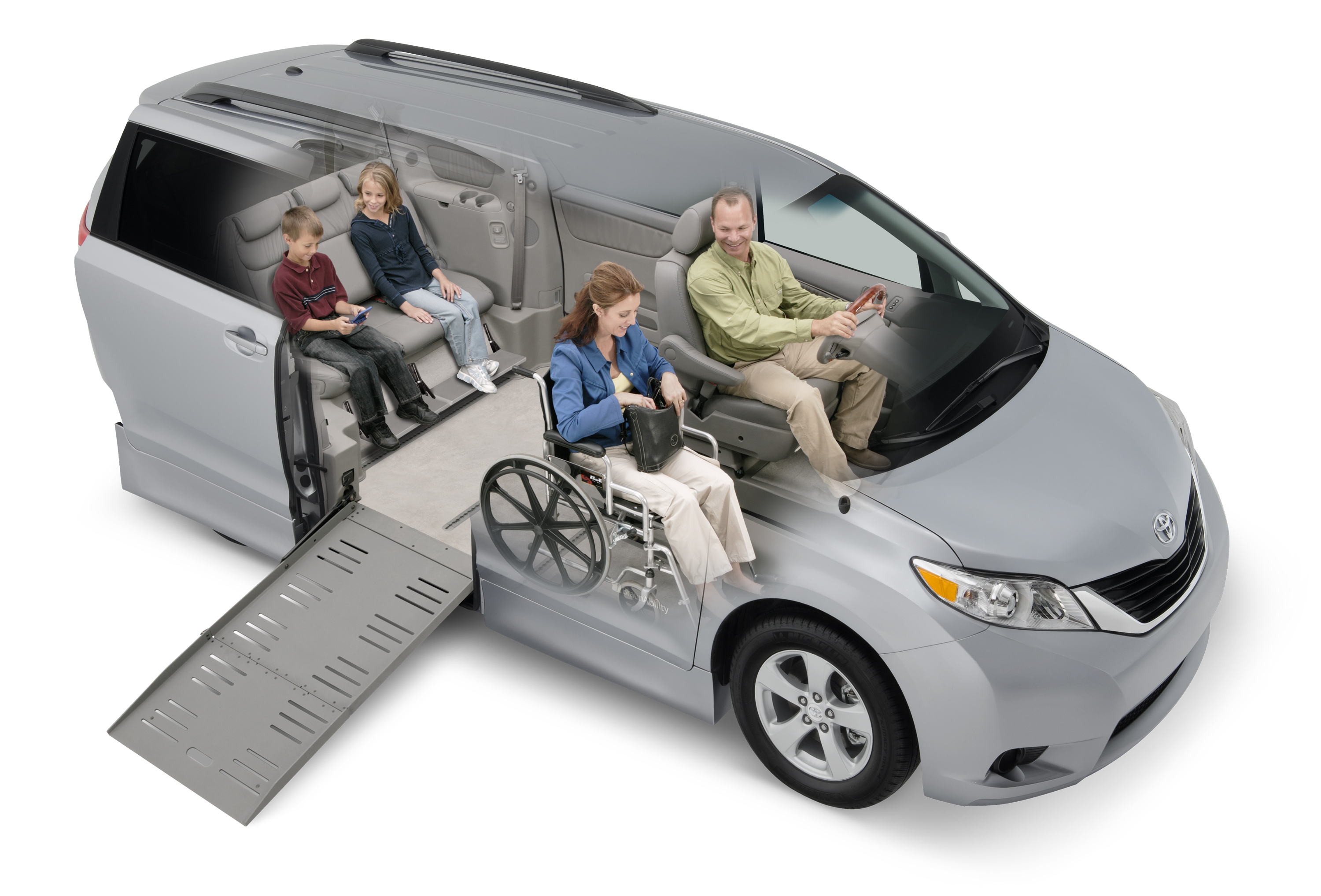
A handicap accessible vehicle conversion is the process of modifying a standard car, van, or other vehicle so that a person with a disability or limited mobility can travel more safely and comfortably. These modifications can make it easier to enter, exit, sit, drive, or travel as a passenger. Depending on an individual’s mobility requirements, a conversion may involve changes to the vehicle’s doors, seating, flooring, controls, or access equipment. The goal is to create a practical transportation solution that supports independence while maintaining safety and everyday usability.
For people who need additional support when travelling, Handicap Accessible Vehicles can provide a range of accessibility options designed around different mobility needs. Rather than choosing a vehicle solely based on its standard features, a conversion allows certain aspects of the vehicle to be adapted to suit the passenger or driver. This can be particularly helpful for wheelchair users and people who have difficulty transferring into conventional car seats.
Understanding Vehicle Conversions
A vehicle conversion does not necessarily mean completely rebuilding a vehicle. Instead, it usually involves adding or modifying specific components to address accessibility challenges. The type of conversion required depends on factors such as the person’s mobility level, whether they travel as a driver or passenger, the type of wheelchair or mobility device they use, and the vehicle itself.
For example, a vehicle may be modified to make it easier for a wheelchair user to access the front passenger position. Other conversions can provide wheelchair access through a ramp or lift, while some focus on helping a person transfer from a wheelchair into a vehicle seat.
Because every person’s requirements are different, there is no single conversion that works for everyone. A suitable solution should consider both the user’s current needs and how those needs may change over time.
Common Types of Accessible Vehicle Modifications
There are several types of modifications that can be made to improve vehicle accessibility.
Front Passenger Access
Front passenger conversions are designed to make the front passenger area easier to access for people with mobility limitations. Depending on the vehicle and conversion design, modifications may change the seating position or provide a more convenient method of transferring into the front seat.
This type of conversion can be useful for people who prefer sitting beside the driver rather than travelling in a rear seating position. It can also make conversations and social interaction easier during journeys.
Wheelchair Ramps and Lifts
Ramps and lifts are common accessibility solutions for people who remain in their wheelchairs while travelling. A ramp provides a gradual surface that allows a wheelchair to enter the vehicle, while a powered lift can raise the wheelchair and passenger into the appropriate position.
The right option depends on the vehicle, wheelchair dimensions, available space, and the user’s physical requirements.
Wheelchair Restraint Systems
If a passenger remains seated in a wheelchair while travelling, a suitable restraint system may be required. These systems are designed to help secure the wheelchair and passenger during transportation.
Proper positioning and installation are important because accessibility equipment needs to work effectively without interfering with other vehicle functions.
Hand Controls and Driving Adaptations
Some people are able to drive but need alternative controls because of limited use of their legs, feet, or other parts of the body. Depending on the individual’s requirements, a vehicle may be fitted with hand controls or other driving adaptations.
These modifications allow certain vehicle functions to be operated differently from the manufacturer’s standard configuration. Professional assessment and installation are particularly important for driving-related modifications.
Why Choose a Vehicle Conversion?
One of the main advantages of an accessible vehicle conversion is flexibility. Instead of limiting transportation choices to vehicles that already meet a person’s accessibility requirements, modifications can adapt a suitable vehicle to their needs.
A conversion can also support greater independence. Someone who previously relied heavily on others for transportation may be able to enter, exit, or travel in a vehicle more easily after the appropriate modifications have been installed.
Comfort is another important consideration. A vehicle that accommodates a person’s mobility equipment and preferred seating position can make regular journeys more convenient. This can be valuable for everyday activities such as shopping, appointments, work, education, and visiting family or friends.
What Should You Consider Before a Conversion?
Before selecting a conversion, it is important to understand the user’s specific mobility requirements. Consider whether the person will drive or travel as a passenger, whether they will remain in a wheelchair during the journey, and what type of mobility equipment they use.
The vehicle itself also matters. Available interior space, door dimensions, seat configuration, vehicle height, and structural characteristics can influence which modifications are possible.
It is also worth considering how frequently the vehicle will be used and who else may drive or travel in it. A conversion should ideally provide accessibility without unnecessarily reducing the vehicle’s everyday practicality.
Professional advice can help identify suitable options and ensure that modifications are installed correctly.
Safety and Professional Installation
Safety should always be a central consideration when modifying a vehicle. Accessibility equipment needs to be properly fitted, maintained, and used according to the manufacturer’s instructions.
Professional conversion specialists can assess the vehicle and recommend equipment based on the user’s requirements. They can also help ensure that modifications integrate appropriately with the vehicle’s existing systems.
Regular maintenance is equally important. Ramps, lifts, restraints, adapted seating, and other equipment should be checked periodically so that problems can be identified before they affect everyday travel.
Final Thoughts
A handicap accessible vehicle conversion can transform a standard vehicle into a more practical transportation solution for someone with limited mobility. From front passenger access and wheelchair ramps to restraint systems and driving adaptations, different modifications can address different accessibility challenges.
The most appropriate conversion depends on the individual, their mobility equipment, and the vehicle they intend to use. By considering accessibility, comfort, safety, and long-term usability together, families and individuals can make more informed decisions about vehicle modifications and create a transportation setup that better supports independent travel.