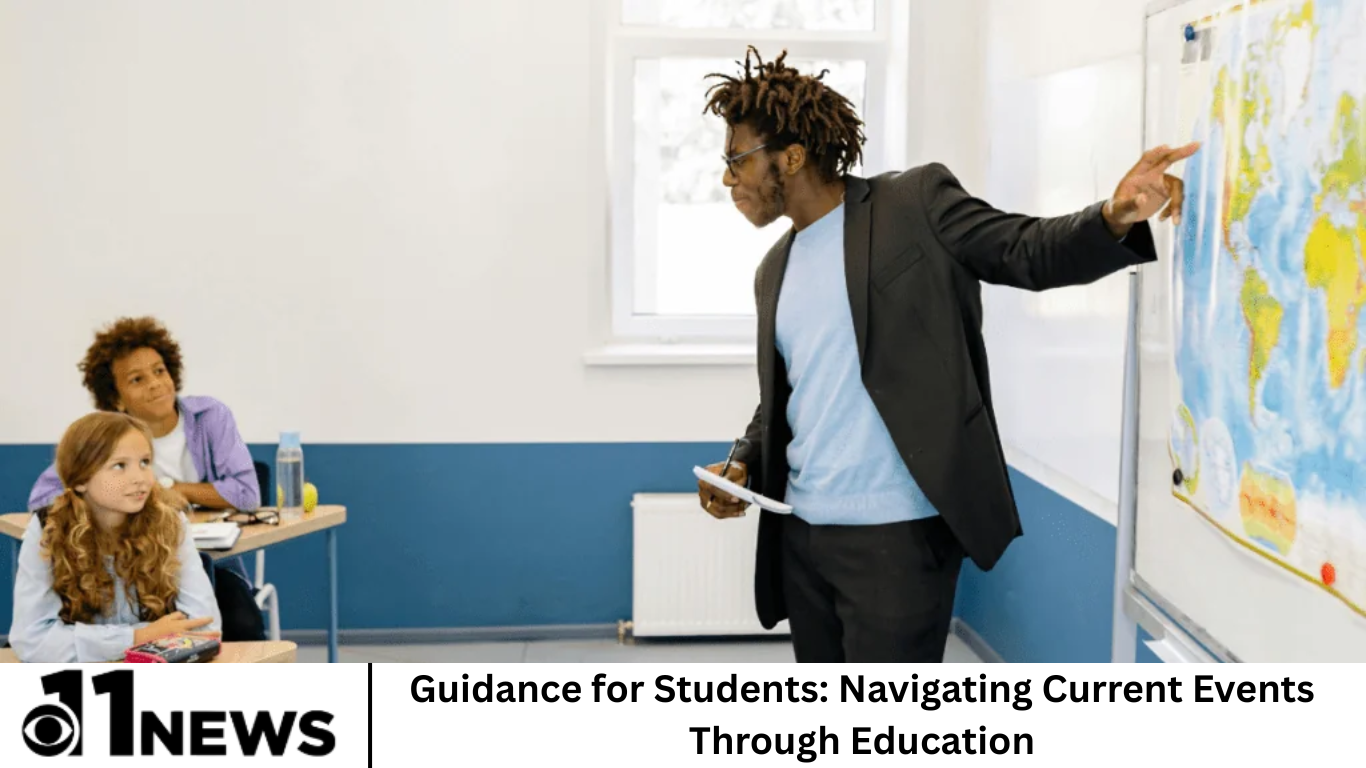

In a world that’s changing faster than ever before, staying informed about current events has become an essential part of modern education. From social movements and climate change to technological breakthroughs and global conflicts, today’s headlines directly impact the lives and futures of students.
Yet, understanding these issues requires more than just watching the news—it demands critical thinking, context, and educational support. This article offers comprehensive guidance for students on how to effectively engage with current events through the lens of education.
We’ll explore why it’s important, how to develop media literacy, ways to connect coursework with global issues, and strategies to discuss complex topics respectfully. Whether you’re a high school student just beginning to engage with the news or a university learner navigating political discourse.
More Read: 11 Ways to Nail School News Headlines
Why Current Events Matter in Education
Current events aren’t just background noise; they are powerful teaching tools that bring relevance to your education. Understanding what’s happening in the world helps you make sense of the subjects you’re studying—be it history, economics, science, or even literature.
For example, discussions on climate change can enrich science lessons, while political debates can illuminate principles in social studies. Furthermore, current events help build civic awareness. Knowing the world around you fosters a sense of responsibility and encourages participation in democratic processes.
From voting to volunteering, informed students are more likely to become active, engaged citizens who can shape their communities for the better.
Engaging with current issues also strengthens the connection between theory and real-life practice. For instance, reading about a country’s economic crisis while studying macroeconomics allows for deeper comprehension. When education reflects the reality of the world, students become more engaged, motivated, and equipped for life beyond the classroom.
The Role of Media Literacy
Media literacy is the ability to access, analyze, evaluate, and create media in various forms. In the age of social media and 24/7 news cycles, this skill is more critical than ever. Students need to learn how to distinguish between credible sources and misinformation, understand bias, and think critically about the information they consume.
The internet has revolutionized access to information, but it has also opened the door to falsehoods, conspiracy theories, and agenda-driven content. Schools and educators must step in by teaching students how to verify sources, cross-reference facts, and understand the purpose behind a given piece of content.
Educational institutions are increasingly incorporating media literacy into their curricula. Learning how to spot fake news, verify facts, and interpret data visuals are all key parts of understanding the world accurately. Students should also learn how to be responsible content creators, particularly when expressing opinions online.
Linking Current Events to Academic Subjects
One of the most effective ways to engage with current events is to tie them directly into your school subjects. If you’re studying economics, explore the financial implications of global inflation. In science, examine how new research on vaccines or climate technology is changing our world.
History classes can compare past conflicts with current geopolitical tensions, offering students a lens through which to examine cycles of war and peace. In art and music, modern protest movements often give rise to creative expression, providing students with material to analyze or emulate.
Teachers can also use project-based learning, where students research a current issue, present findings, and suggest real-world solutions. This approach not only deepens understanding but also enhances skills like collaboration, communication, and critical thinking.
Developing Critical Thinking Skills
Critical thinking allows students to evaluate arguments, identify fallacies, and form reasoned conclusions. When dealing with complex topics like political polarization, social justice, or international conflicts, it’s essential to approach discussions with an open yet analytical mindset.
Rather than accepting information at face value, critical thinkers ask questions: Who wrote this? What is their motive? Is the evidence reliable? This analytical approach helps students avoid the traps of emotional manipulation or groupthink.
Education should not simply be about absorbing facts but about questioning and interpreting them. Debate clubs, open discussions, and essay writing can all foster critical thinking. By regularly examining current issues, students become better at reasoning, problem-solving, and making informed decisions.
Moreover, critical thinking supports empathy. It allows students to understand perspectives they may not agree with and to approach disagreements with curiosity rather than hostility. In a polarized world, this is not just useful—it’s vital.
Safe and Respectful Discussion Spaces
Discussing current events can be emotionally charged and controversial. It’s important to create safe spaces in schools and universities where students can express opinions without fear of ridicule or backlash. Respectful debate and dialogue should be encouraged, not avoided.
Educators can set ground rules for discussions—like listening actively, avoiding personal attacks, and focusing on evidence-based arguments. These norms not only make conversations more productive but also teach students how to engage in civil discourse beyond the classroom.
Creating these respectful spaces also requires inclusivity. Students from different backgrounds may have varied experiences and interpretations of current events. Giving everyone an opportunity to share and feel heard fosters community and broadens perspectives.
Ultimately, respectful dialogue helps students process difficult topics, refine their views, and grow as thoughtful individuals. It’s one of the best tools education can offer to combat ignorance, intolerance, and misinformation.
Staying Updated Without Feeling Overwhelmed
The sheer volume of news can be daunting, leading many students to feel overwhelmed or anxious. The key is to find a balance. Choose a few reliable news sources and set aside dedicated time each day or week to catch up on the latest events.
Information overload is a real issue. Doomscrolling through headlines can trigger anxiety and burnout. It’s important to remember that you don’t have to read everything to stay informed. Curated news apps, newsletters, or podcasts can offer concise, digestible summaries.
Using tools like Flipboard, Google News, and educational YouTube channels can make staying informed more manageable. Also, take digital breaks when needed to protect your mental health. Staying informed should empower you, not exhaust you.
Schools can help by guiding students toward educational media and encouraging balanced consumption habits. Learning how to manage news intake is just as important as the content itself.
Taking Action: Turning Awareness into Advocacy
Being aware is only the first step. The real power of education lies in transforming knowledge into action. Students can write to local representatives, join advocacy groups, volunteer for causes, or even start their own initiatives. Understanding an issue gives you a voice; using it gives you power.
Whether it’s attending climate marches, launching awareness campaigns, or leading social justice discussions in your school, there are countless ways students can make an impact. Schools can support this by offering service-learning programs that combine classroom instruction with community service.
By acting on current issues, students gain a deeper understanding of the world and their capacity to influence it for the better. Students should be encouraged to think not just about what’s wrong in the world, but about what they can do to help make it right.
Frequently Asked Question
Why should students care about current events?
Current events shape the world students live in. By staying informed, students can make connections between their studies and real-life situations, building both knowledge and awareness.
How can students identify reliable news sources?
Students should look for news organizations known for factual reporting and minimal bias. Websites like AP News, Reuters, and BBC are generally considered trustworthy. Media literacy education also helps in source evaluation.
What if current events make students anxious or overwhelmed?
It’s okay to step back and take breaks from the news. Students should limit their intake, focus on solutions-based reporting, and discuss feelings with trusted adults or counselors when needed.
How can teachers incorporate current events into the classroom?
Teachers can use news articles in assignments, encourage debates, assign research projects on global issues, and link events to existing curriculum topics to create more engaging lessons.
Are there age-appropriate ways to introduce current events to younger students?
Yes. For younger students, educators and parents can use simplified news sources like Newsela or Time for Kids. Focus on context, empathy, and age-appropriate discussions without sensationalism.
What are some tools or platforms that help students stay informed?
Apps like Flipboard, Google News, and podcasts like “The Daily” offer digestible and curated news. Many educational platforms also provide resources tailored for students and teachers.
How can students turn awareness into positive action?
Students can participate in school clubs, volunteer, organize awareness campaigns, or advocate for change through social media or writing. Civic action starts with understanding—and grows through effort.
Conclusion
Incorporating current events into education transforms passive learners into active thinkers. It helps students see the relevance of their studies, build critical skills, and prepare for real-world challenges. With guidance from educators and the right resources, students can confidently navigate the complexities of today’s world. By engaging with current events thoughtfully and respectfully, you become more than just a student—you become an informed participant in the global conversation. Education isn’t just preparation for life; it’s the foundation for leading and shaping it.