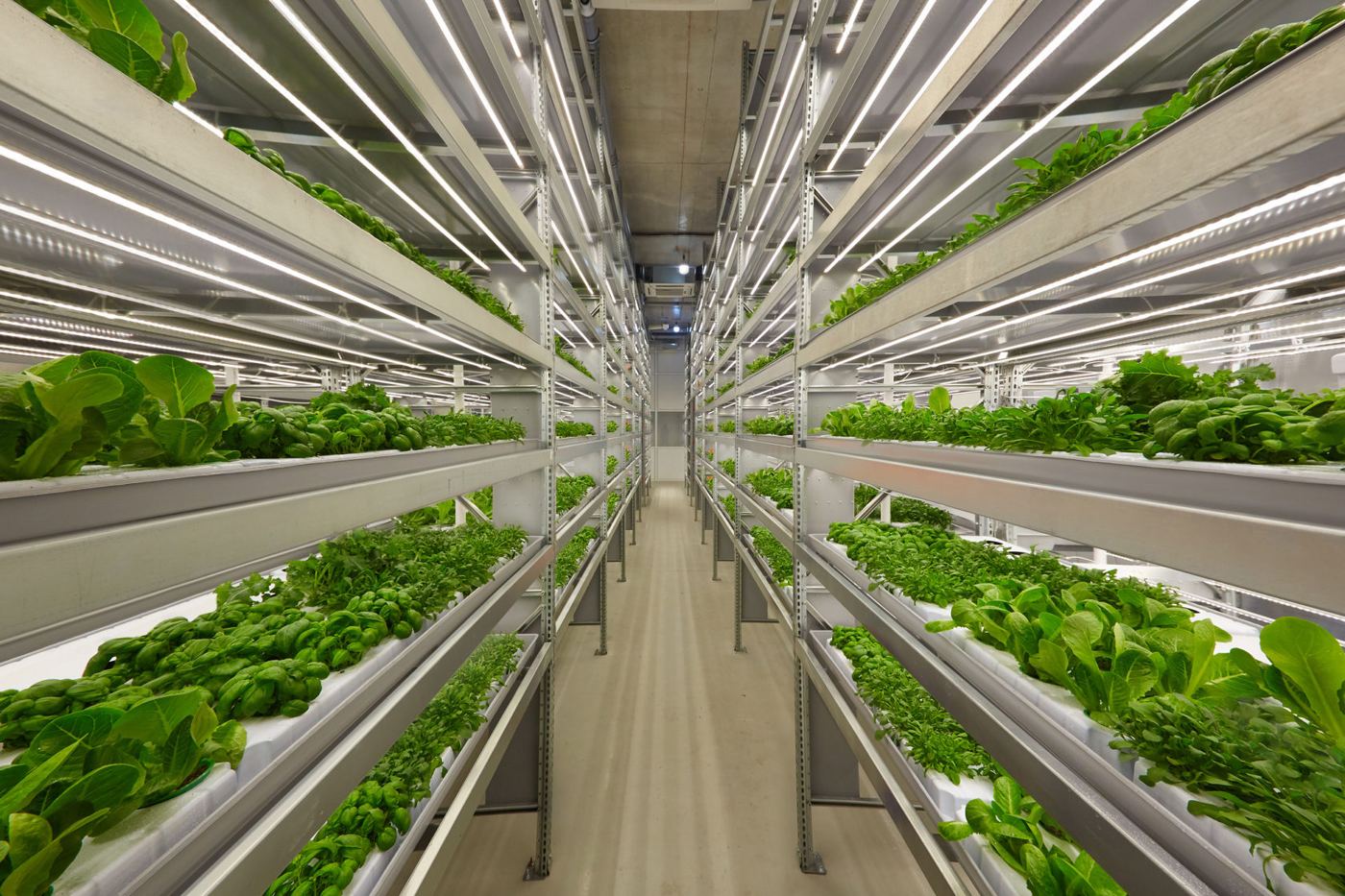

A decade ago, vertical farming was going to feed the cities of the world from warehouses: towers of greens under LED suns, using a fraction of the water and none of the pesticides of field agriculture, harvested streets from the plate. Venture capital poured in by the billion. Then came the reckoning — a procession of bankruptcies among the sector’s most celebrated names, felled by the oldest force in farming: costs that exceeded what the crop could earn.
What went wrong
The autopsy is consistent. Electricity to replace sunlight is expensive, and energy prices rose just as the biggest facilities opened. The technology worked; the spreadsheet did not. Companies scaled to enormous, automated greenhouses before proving unit economics at small scale, chose commodity crops like lettuce that shoppers refuse to pay premiums for, and discovered that building a farm and running a farm are different businesses. Coverage by the Financial Times and trade press has charted the shakeout in detail.
On oneonenews.com we have interviewed the operators still standing, and their common trait is humility: smaller facilities, built in stages; crops chosen for value, not novelty — herbs, berries, speciality greens, seedlings for other growers; and locations selected for cheap power and a customer next door rather than for a dramatic skyline photograph.
The niches where the math works
Several corners of indoor farming are genuinely thriving. Propagation — starting young plants under controlled conditions for field farmers — turns out to be an ideal fit. Pharmaceutical and cosmetic ingredients grown indoors command prices lettuce never will. In water-scarce regions and import-dependent city-states, the resilience premium is real: governments pay for food security, not just food. Our Business reporting also notes the quiet success of hybrid models — greenhouses augmented with LEDs and AI climate control — which borrow the field’s free sunlight instead of refusing it.
Lessons written in red ink
The sector’s survivors describe their inheritance from the fallen plainly: pilot before you scale, respect energy as your true landlord, and remember that a farm is a margin business wearing a technology costume. Vertical farming will not replace the field, and its pioneers no longer claim it will. But in the places where land, water or climate make the field unreliable, the warehouse farm has found its honest work — smaller than the dream, and built to last.
The energy equation decides
Every honest conversation in indoor farming ends at the electricity meter. The survivors design around it: locating beside cheap renewables or industrial waste heat, tuning light recipes per crop stage so no photon is wasted, and choosing markets where freshness commands a premium measured in days of shelf life rather than in marketing claims. Some sell not food but certainty — guaranteed volumes to a supermarket chain regardless of drought or flood, a hedge buyers increasingly price. The first wave sold a vision of farming without weather. The second wave sells farming with the weather removed from the risk register, at a price carefully counted. It is a smaller promise, and — crucially — one the numbers can keep.