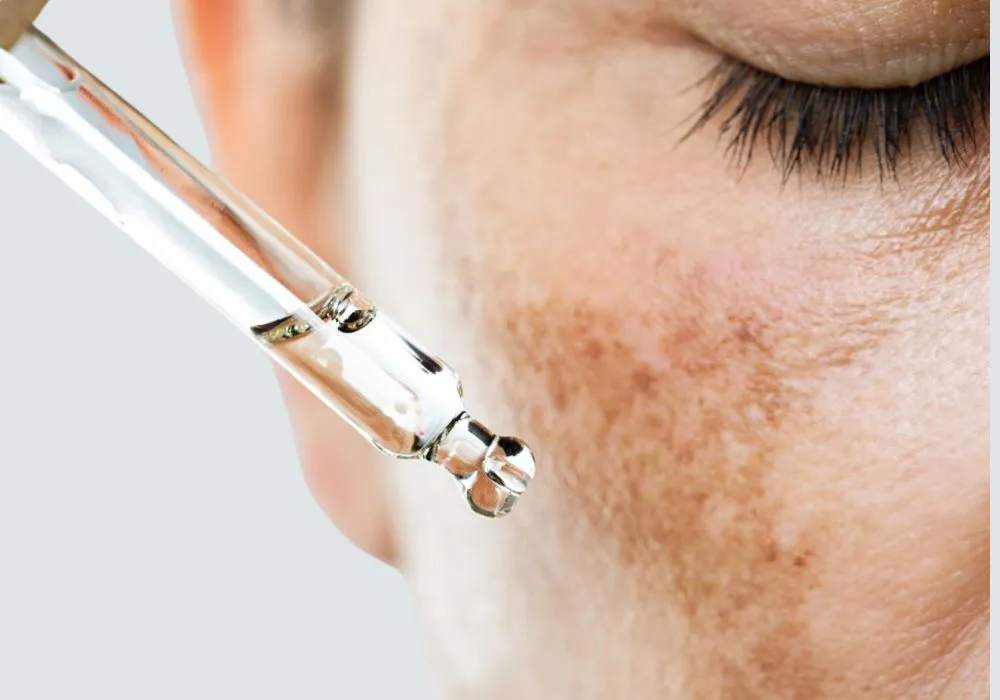

Melasma is a common skin concern that often appears as uneven patches of pigmentation on the face. These patches usually develop gradually and are most visible on areas such as the cheeks, forehead, nose, and upper lip. While melasma does not cause physical discomfort, it can be challenging to manage due to its tendency to persist and reappear under certain conditions.
Advancements in skin care and aesthetic awareness have helped individuals better understand how pigmentation behaves and how it can be managed through consistent and well-planned approaches.
Why Melasma Develops
Melasma is closely linked to increased melanin production. Hormonal changes are one of the strongest triggers, which is why it is often associated with pregnancy, hormonal medication, or internal hormonal fluctuation. Sun exposure further stimulates melanin activity, deepening existing pigmentation or triggering new patches.
Genetic predisposition also plays an important role. Individuals with a family history of pigmentation issues or deeper skin tones may be more prone to melasma. Heat exposure, stress, and pollution can also contribute over time, making the condition more difficult to control.
How Melasma Differs From Other Pigmentation
Unlike sun spots or post-acne marks, melasma tends to form broader, symmetrical patches rather than isolated spots. The pigment may sit at different depths within the skin, which influences how visible it appears and how long it takes to fade.
Another distinguishing characteristic is recurrence. Even after improvement, melasma can reappear if triggering factors are not managed. This is why long-term strategies are often more effective than one-time solutions.
Professional Approach to Pigmentation Care
Managing melasma usually starts with a detailed assessment of the skin. Understanding the depth of pigmentation and identifying triggers helps shape an effective plan. Professional skin care approaches often aim to reduce pigment gradually while strengthening the skin’s protective barrier.
Rather than aggressive treatment, most strategies focus on controlled improvement. Treatments are usually spaced out, allowing the skin to recover and respond naturally. This helps reduce the risk of irritation, which can worsen pigmentation.
When researching professional options, many individuals come across information related to melasma pigmentation treatment Singapore as part of their effort to better understand structured approaches to managing this condition.
Importance of Sun Protection
Sun exposure is the most significant factor influencing melasma. Even short periods of unprotected exposure can trigger darkening. Consistent sun protection is therefore essential for both improvement and long-term maintenance.
Daily use of sun protection, along with physical barriers such as hats or umbrellas, helps prevent pigment activation. Heat management is also important, as excessive warmth can stimulate melanin production even without direct sunlight.
Supporting Skin Stability Through Aftercare
Aftercare plays a vital role in pigmentation management. Gentle cleansing and the use of non-irritating skincare products help maintain skin balance. Harsh exfoliation or inappropriate active ingredients can disrupt the skin barrier and worsen melasma.
Hydration supports skin repair, while barrier-strengthening products help reduce sensitivity and inflammation. Following professional guidance ensures that the skin remains calm and receptive throughout the improvement process.
Role of Daily Habits and Lifestyle
Lifestyle habits significantly affect pigmentation behavior. Chronic stress can disrupt hormonal balance, while poor sleep may impair skin repair mechanisms. Balanced nutrition supports skin health by providing essential nutrients involved in regeneration and inflammation control.
Avoiding unnecessary heat exposure, maintaining hydration, and following a consistent skincare routine all contribute positively to managing melasma over time.
Managing Expectations
Melasma is best approached with patience. Improvements often occur gradually over weeks or months, and consistency is essential. It is important to understand that melasma may not completely disappear but can often be significantly lightened and stabilised.
Maintenance is a key part of success. Even after visible improvement, ongoing sun protection and skincare are required to prevent recurrence.
Long-Term Skin Care Perspective
Melasma management is most effective when viewed as a long-term skin care journey rather than a short-term fix. Periodic skin reviews help adjust routines and address changes caused by hormones, environment, or aging.
A proactive approach helps maintain results and prevents frustration caused by recurring pigmentation.
Conclusion
Melasma is a complex pigmentation condition influenced by hormonal, environmental, and genetic factors. While it can be persistent, noticeable improvement is achievable with structured care, consistency, and protection.
By combining professional guidance, diligent sun protection, and healthy lifestyle habits, individuals can manage melasma more effectively and maintain a more even and resilient skin tone over time.