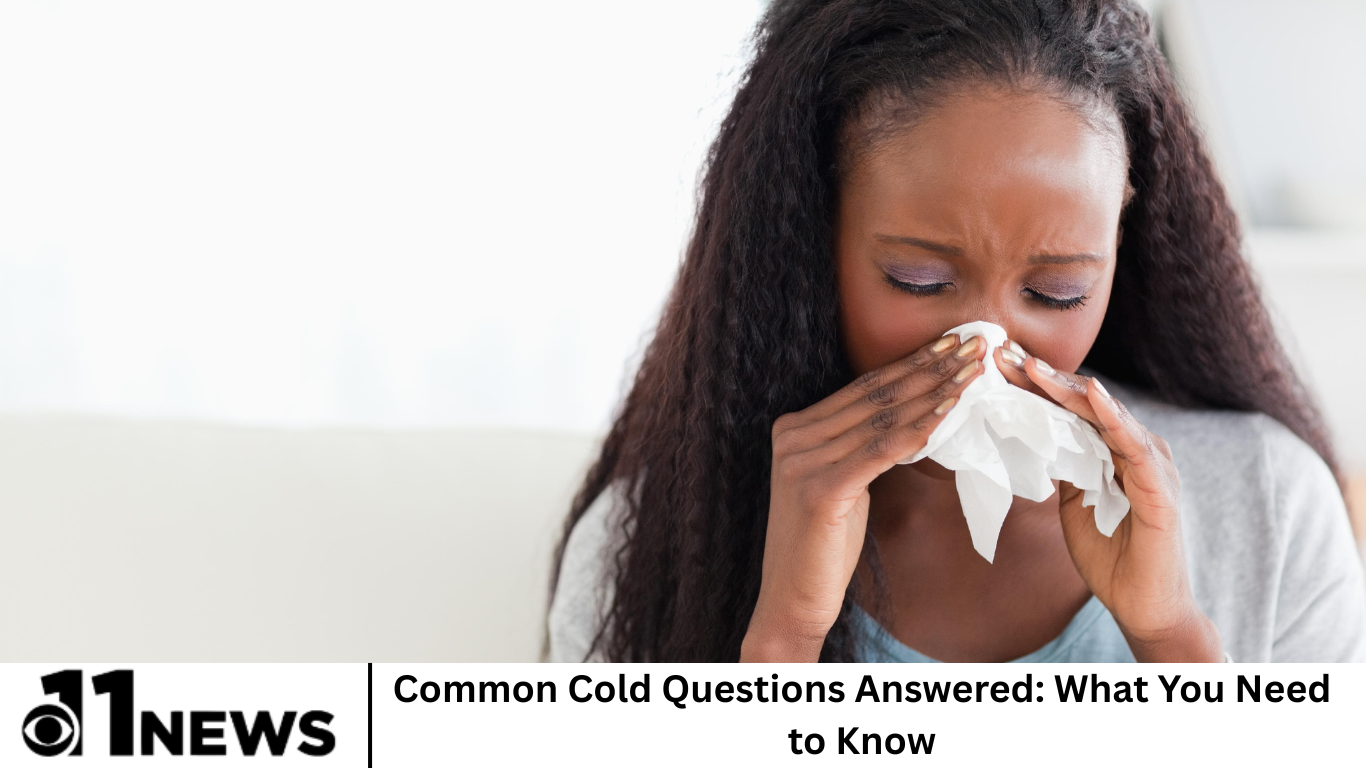

It’s something we’ve all dealt with—an annoying runny nose, a scratchy throat, relentless sneezing, and the general misery that comes with being under the weather. The common cold may be one of the most widespread illnesses in the world, but that doesn’t make it any less frustrating.
It might be called common, but the common cold is anything but trivial. While it’s often seen as a mild and inevitable seasonal annoyance, understanding the cold’s causes, symptoms, and management strategies is key to minimizing its impact on our daily lives.
In this comprehensive guide, we answer the most frequently asked questions about the common cold—everything from how it spreads to when you should call a doctor. Affecting millions of people worldwide every year, it’s one of the leading causes of missed school and workdays.
More Read: How Everyday Painkillers May Be Boosting Antibiotic Resistance
What Is the Common Cold?
The common cold is a viral infection of your upper respiratory tract, primarily affecting your nose and throat. Though generally harmless, the cold can be highly inconvenient. Over 200 different viruses can cause a cold, but the most common culprit is the rhinovirus.
The illness typically resolves on its own within 7–10 days, but it can lead to complications in vulnerable populations such as young children, the elderly, and those with compromised immune systems.
Causes of the Common Cold
Contrary to the old wives’ tale, cold weather doesn’t cause colds—viruses do. However, cold weather can lead to behaviors (like staying indoors in close quarters) that make it easier for viruses to spread. Here’s how people typically catch colds:
- Airborne transmission: When someone with a cold coughs, sneezes, or talks, they release droplets that may contain viruses.
- Surface contact: Cold viruses can live on surfaces like door handles or phones for hours. If you touch a contaminated surface and then touch your face, you’re at risk.
- Close contact: Handshakes, hugs, and being near an infected person increase your chances of catching the virus.
Symptoms: How to Tell It’s a Cold
Symptoms of the common cold usually appear 1–3 days after exposure to a virus. Common symptoms include:
- Runny or stuffy nose
- Sore throat
- Sneezing
- Coughing
- Mild body aches or a headache
- Low-grade fever
- Watery eyes
- Fatigue
Unlike the flu, which tends to come on suddenly and severely, cold symptoms build up gradually and are typically milder.
Duration: How Long Does a Cold Last?
The typical cold lasts 7 to 10 days, although symptoms may linger longer in some cases. Here’s a general timeline:
- Days 1–2: Scratchy throat, sneezing, fatigue
- Days 3–4: Nasal congestion, runny nose, coughing
- Days 5–7: Symptoms peak and begin to subside
- Days 8–10: Recovery, though a lingering cough or nasal drip is possible
If your symptoms last more than 10 days or worsen, you may be dealing with a secondary infection such as sinusitis or bronchitis.
Treatment Options: What Actually Works?
Rest and Hydration
The most important treatment is rest. Your body needs energy to fight the virus. Also, staying hydrated thins mucus and helps relieve congestion.
Over-the-Counter Medications
- Decongestants: Relieve nasal congestion (e.g., pseudoephedrine)
- Antihistamines: Reduce sneezing and runny nose
- Pain relievers: Alleviate sore throat, body aches, and fever (e.g., acetaminophen or ibuprofen)
- Cough suppressants/expectorants: Help manage coughing
Home Remedies
- Saltwater gargle: Helps soothe a sore throat
- Humidifiers: Add moisture to dry air and ease congestion
- Honey and lemon: Calm coughs and coat irritated throats
Note: Antibiotics don’t work against viruses. Using them unnecessarily contributes to antibiotic resistance and can disrupt your gut flora.
Prevention: Can You Avoid Getting a Cold?
While you can’t completely eliminate your risk, you can greatly reduce it with a few simple precautions:
Wash Your Hands Frequently
Handwashing is your first line of defense. Use soap and water for at least 20 seconds.
Avoid Close Contact
Stay away from people who are sick, and avoid touching your face—especially your nose, mouth, and eyes.
Disinfect Common Surfaces
Use disinfectant wipes or sprays on doorknobs, light switches, remote controls, and other high-touch areas.
Boost Your Immune System
Eat a balanced diet, stay active, get enough sleep, and manage stress.
Use Tissues and Dispose Properly
Cough or sneeze into a tissue or your elbow, not your hands.
When to See a Doctor
Most colds resolve on their own, but in some cases, you should consult a healthcare professional:
- Symptoms lasting longer than 10 days
- High fever (above 101.3°F or 38.5°C)
- Shortness of breath or wheezing
- Severe headache or facial pain
- Persistent coughing with mucus
- Ear pain or drainage
These could indicate complications like sinus infections, pneumonia, or bronchitis.
Frequently Asked Question
Can I catch a cold from being cold or wet?
No. You get a cold from a virus, not from being cold or wet. However, cold weather can weaken your immune defenses and promote closer indoor contact, increasing your chances of exposure.
Why do colds spread more in winter?
People spend more time indoors, in close proximity, with less ventilation—ideal conditions for viral transmission. Also, lower humidity levels in winter dry out nasal passages, making it easier for viruses to take hold.
Are there any natural ways to boost immunity against colds?
Yes. A balanced diet rich in fruits and vegetables, regular exercise, sufficient sleep, vitamin D, and stress management can all support immune health.
Do vitamin C, zinc, or echinacea help?
Research is mixed. Vitamin C may slightly shorten colds if taken regularly. Zinc lozenges taken within 24 hours of symptoms may reduce cold duration. Echinacea’s effectiveness is inconclusive.
Can I exercise when I have a cold?
If your symptoms are above the neck (e.g., sneezing, nasal congestion), light exercise is usually fine. But if symptoms are below the neck (fever, chest congestion, fatigue), rest is best.
Can pets catch or transmit the common cold?
Human cold viruses don’t typically infect pets. However, pets can carry germs on their fur, so hygiene is still important if someone in your home is sick.
Why do some people catch colds more often than others?
Individual immune responses vary. Factors like age, stress, sleep quality, underlying health conditions, and exposure to children or crowded environments play a role.
Conclusion
While the common cold is usually mild, its high frequency and ease of transmission make it a significant public health concern. Knowing how to identify symptoms, prevent infection, and manage your recovery empowers you to navigate cold season with confidence. Most importantly, resisting the urge to treat colds with unnecessary antibiotics protects your health and the health of those around you. There’s no miracle cure for the common cold, but a combination of good hygiene, strong immunity, and informed self-care goes a long way in keeping the sniffles at bay.