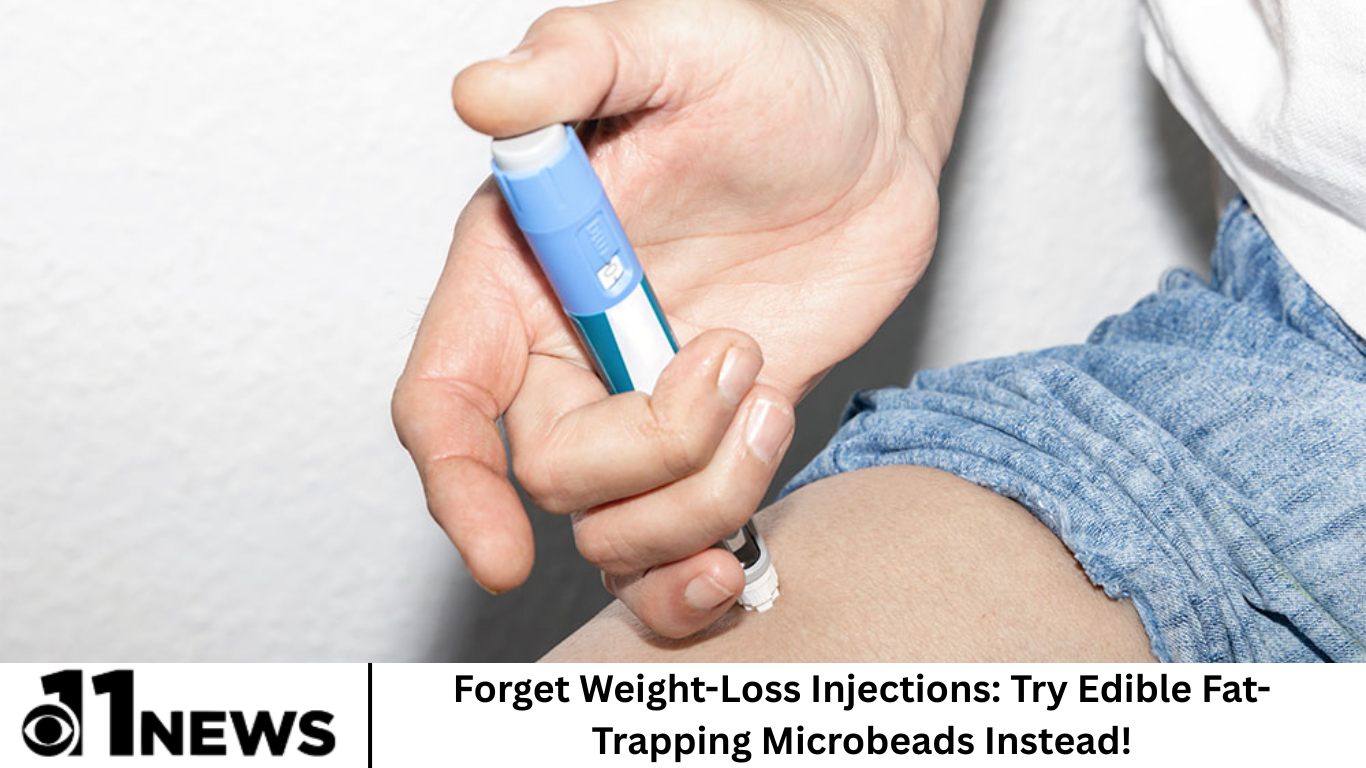

For decades, people have searched for safe, effective, and sustainable ways to lose weight. From low-carb diets to fitness programs and pharmaceuticals like Ozempic and Wegovy, the weight-loss industry has grown into a multi-billion-dollar market.
These innovative, non-invasive microbeads may one day replace the need for injectable drugs, offering a tastier, safer, and less intimidating option for those trying to manage their weight. As researchers and biotech companies race to refine this technology.
Let’s take a closer look at how edible fat-trapping microbeads work, the science behind them, how they compare to injectable treatments, and what the future of weight loss might look like. However, a new breakthrough is promising to change everything: edible fat-trapping microbeads.
More Read: I Tested 6 Zero-Calorie Sweeteners—Only One Truly Tastes Like Sugar
What Are Edible Fat-Trapping Microbeads?
Edible fat-trapping microbeads are tiny, ingestible beads made from biocompatible, food-grade materials designed to bind dietary fats in the digestive tract and prevent their absorption into the bloodstream. Think of them as microscopic “sponges” that soak up fat before your body can store it.
These microbeads work by physically interacting with fat molecules during digestion, capturing them, and allowing them to be excreted safely through the digestive system without causing harmful side effects.
The beads are often composed of natural polymers like alginate, chitosan, or plant-based gums, making them safe for most people to consume. Researchers are even experimenting with coatings that ensure the beads are released only when they reach the small intestine, maximizing their effectiveness.
The Science Behind Fat-Trapping Technology
This concept is based on a well-understood biological principle: blocking fat absorption reduces calorie intake, which can support weight loss.
Key Mechanisms:
- Encapsulation: The beads bind to triglycerides and form complexes that are too large to pass through the intestinal lining.
- Physical Barrier: They create a physical shield that keeps digestive enzymes from breaking down fats.
- Natural Elimination: The undigested fats are expelled through normal bowel movements.
This process mimics the effect of lipase inhibitors like Orlistat but without the harsh side effects such as oily stools or gastrointestinal distress.
Supporting Research:
In recent clinical trials conducted by researchers at MIT and Harvard, test subjects who consumed fat-trapping microbeads with meals absorbed 30–40% less fat compared to the control group. Participants also reported reduced hunger levels and better satiety.
Are They Safe?
Safety is a top concern, especially when introducing a new dietary technology. So far, all indicators show that edible fat-trapping microbeads are safe when used as directed.
Points in Favor:
- Composed of GRAS (Generally Recognized As Safe) materials
- No systemic absorption (they pass through the digestive tract)
- No impact on blood sugar, hormones, or organ function
- Suitable for vegetarians and vegans (depending on composition)
However, overuse could potentially lead to fat-soluble vitamin deficiencies (A, D, E, K), so most formulations include added vitamins or are meant to be taken only with high-fat meals.
Still, more long-term studies are needed before these microbeads become widely recommended by doctors and dietitians.
Who Might Benefit?
This innovation isn’t a magic bullet, but it may be a powerful tool for specific groups:
- People looking to lose moderate weight without drugs
- Those afraid of injections or unable to tolerate pharmaceuticals
- Vegans/vegetarians avoiding animal-derived ingredients
- Individuals managing cholesterol levels or fat intake
Combined with a balanced diet and exercise, microbeads can offer a much-needed boost without disrupting the body’s natural systems.
How Do You Take Them?
Most prototypes come in capsule or powder form. You simply consume the microbeads before or with meals, especially those high in fat.
Important Tips:
- Drink plenty of water to aid passage through the digestive tract
- Don’t exceed recommended dosage
- Use only for meals containing significant fat content (no fat = nothing to trap)
Researchers are also working on gummy-style delivery and functional food products like bars or drinks that contain embedded beads.
The Future: Where Is This Headed?
Biotech companies and startups are actively investing in this technology. Some are exploring customized beads tailored to individual gut microbiomes or fat sensitivity profiles. Others are combining AI-driven meal tracking apps with microbead usage to optimize timing and dosage.
Here’s what the next 5 years could look like:
- Wider commercial availability
- Microbead-smartphone integration (track your meals + prompt bead intake)
- Beads for other nutrients (like sugar or cholesterol blockers)
- Prescription-strength versions for obesity treatment
Some experts are even predicting that these microbeads could become a standard over-the-counter aid, much like fiber supplements today.
Challenges and Criticisms
Like any new health product, edible microbeads face challenges:
- Regulatory approval: They must pass safety and efficacy tests by the FDA or relevant bodies
- Public skepticism: Many are wary of anything labeled “microbeads” due to past environmental concerns
- Market competition: Pharma giants dominate the weight-loss space, and microbeads may be seen as a threat
Still, the environmental impact of edible microbeads is negligible, as they are fully digestible and biodegradable—unlike older plastic-based cosmetic microbeads.
Frequently Asked Question
How do edible fat-trapping microbeads work?
These microbeads bind to dietary fats in your digestive system and prevent them from being absorbed. The trapped fat is then excreted through normal bowel movements.
Are they safe to consume daily?
Yes, most formulations use food-safe materials and are designed for regular use. However, overuse could potentially impact the absorption of fat-soluble vitamins.
Can I stop taking weight-loss injections if I switch to microbeads?
Always consult a healthcare professional before making changes to your weight-loss treatment. Microbeads may work well for some, but they are not a direct replacement for prescription medications in all cases.
Will these microbeads cause digestive issues?
Most users report minimal to no side effects. Because they don’t alter your hormones or digestion chemically, side effects like nausea or cramps are rare.
Do they block all fat from being absorbed?
No. They’re designed to block a portion (usually 30–40%) of dietary fat, not all of it. This allows your body to still get essential fatty acids while reducing excess fat absorption.
Are they effective for weight loss on their own?
Microbeads are most effective when used alongside a balanced diet and exercise. They can enhance weight-loss efforts but are not meant to replace lifestyle changes.
When will they be available to the public?
Some versions are already in development or pilot programs. Widespread commercial availability is expected within the next 1–2 years, pending regulatory approval.
Conclusion
The future of weight loss may no longer lie in needles and strict diets—but in a simple bead you can swallow. Edible fat-trapping microbeads offer an exciting, non-invasive alternative to pharmaceutical weight-loss treatments. They’re rooted in science, supported by early trials, and being refined every day. While not a cure-all, they provide an innovative tool to help you take control of your health without injections or drastic side effects. So, if you’re tired of jabs and pills, the next frontier in weight management might just be hiding in a tiny bead on your plate.