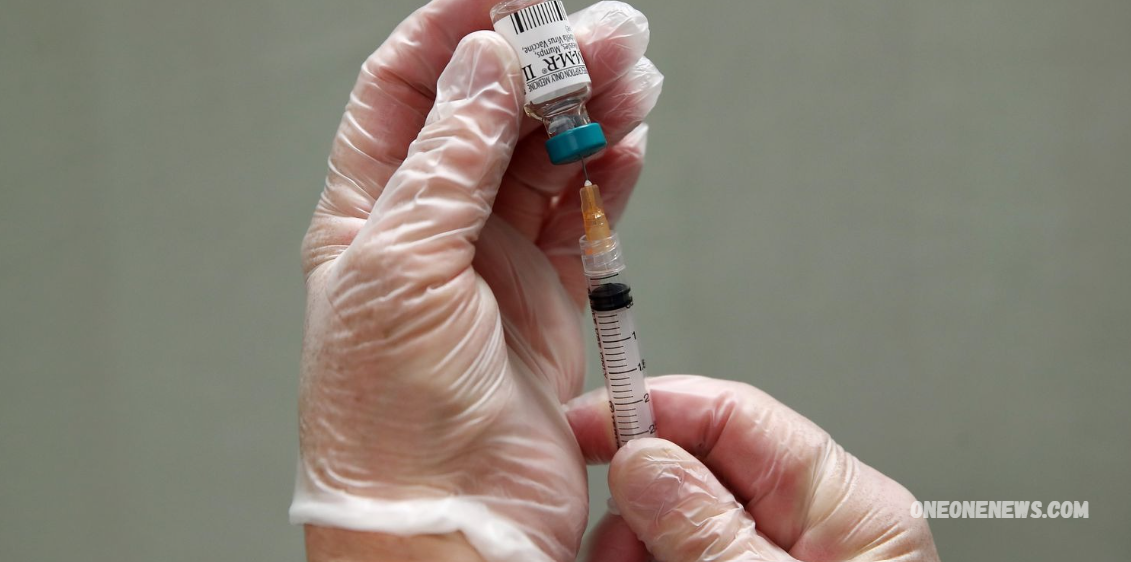

This report highlights a concerning situation regarding the growing measles outbreak in western Texas. The first reported death from measles in the United States since 2015 marks a tragic milestone in the outbreak, underscoring the severity of the disease and its potential consequences, especially for unvaccinated individuals.
The outbreak began in a Mennonite community in the South Plains region, where there have been over 120 confirmed cases, primarily among children. Health experts are apprehensive because vaccination rates in the area are below the level necessary to prevent outbreaks. With only 82% of kindergartners vaccinated in the epicenter of the epidemic, the risk of the disease spreading is high, especially since the MMR (measles, mumps, rubella) vaccine is essential for building community immunity.
In the context of this outbreak, public health leadership becomes even more crucial. Health and Human Services Secretary Robert F. Kennedy Jr.’s previous anti-vaccination stance has drawn scrutiny, especially as public health efforts are needed to increase vaccination rates. Kennedy’s positions, combined with a decline in childhood vaccinations across the country, contribute to the anxiety around potential widespread transmission.
The situation is a wake-up call for renewed vaccination efforts. With measles being highly contagious, experts emphasize the need for everyone, particularly children and adults who were under-vaccinated, to get the MMR vaccine to prevent further spread and protect public health. The CDC’s recommendation to maintain at least a 95% vaccination rate remains critical in the fight against outbreaks like this.
If the outbreak continues to grow or spreads to other areas, this may further amplify the public health challenge, especially as unvaccinated individuals may carry the disease without symptoms, potentially spreading it to others in different regions.
A Worsening Crisis
The outbreak has become a major concern for public health officials, as the number of cases continues to rise. Of the 124 confirmed cases, 101 have occurred in children under the age of 18. Alarmingly, only five of these cases have involved individuals who were vaccinated against the disease. This stark statistic highlights a significant issue: many individuals in the affected communities are either under-vaccinated or completely unvaccinated, creating a perfect environment for the disease to spread rapidly.
Gaines County, the epicenter of the outbreak, has been hit particularly hard. Here, fewer than 82% of kindergartners are vaccinated against measles, far below the threshold needed to prevent outbreaks. Health experts warn that vaccination rates for diseases like measles must be at least 95% in order to achieve “herd immunity,” where enough people are immune to stop the disease from spreading. The current vaccination rate in this region falls dangerously short of that goal, putting the entire community at risk.
Read more: Comprehensive Addiction Treatment Guide: Steps to Recovery and Healing
The Role of Low Vaccination Rates
One of the key factors contributing to the ongoing outbreak is the declining vaccination rates across the United States. While the national vaccination rate for the measles, mumps, and rubella (MMR) vaccine for kindergartners remains at 93%, this figure is still lower than the 95% threshold recommended by experts. In some areas, such as Texas, the rates are even lower, increasing the likelihood of outbreaks.
In Texas, the low vaccination rates have been attributed to various factors, including misinformation about vaccines, vaccine hesitancy, and strong anti-vaccine sentiments within certain communities. The Mennonite community at the center of the outbreak, while known for its religious and cultural practices, has historically been resistant to vaccinations, contributing to the spread of the disease.
Experts have been sounding the alarm for years, warning that decreasing vaccination rates could lead to the resurgence of preventable diseases like measles. The current outbreak is a stark reminder of the consequences of this trend. Measles is highly contagious and can cause severe complications, especially in young children and individuals with weakened immune systems.
The Impact of Leadership and Public Health Messaging
The outbreak has raised concerns about the role of public health leadership in addressing the crisis. Health and Human Services Secretary Robert F. Kennedy Jr. has faced criticism for his past anti-vaccination stance. Since taking office, Kennedy has called for an investigation into the childhood vaccination schedule, which includes the MMR vaccine, and has put federal vaccine advisory meetings on hold. These actions have caused concern among health experts who fear that such positions may undermine efforts to promote vaccination and protect public health.
Given the current crisis, government officials urgently need to communicate the importance of vaccinations clearly and consistently. Public health campaigns to raise awareness about the dangers of measles and the life-saving benefits of vaccines are critical to reversing the decline in vaccination rates. Health officials are also urging adults who are not vaccinated or who were under-vaccinated as children to consider getting immunized in an effort to curb the spread of the disease.
Frequently Asked Questions
What is causing the measles outbreak in Texas?
The current measles outbreak in western Texas is primarily linked to a Mennonite community in the South Plains region, where vaccination rates are low. As of now, at least 124 confirmed cases have been reported, many of which involve children under the age of 18. A key factor contributing to the outbreak is the lack of sufficient vaccinations in the affected communities.
Why is this outbreak so serious?
Measles is highly contagious and can lead to severe complications, including pneumonia, brain swelling, and death, especially in young children and those with weakened immune systems. The outbreak has also led to the first measles death in the U.S. since 2015. Low vaccination rates make it easier for the disease to spread within communities, putting everyone at risk.
What are the vaccination rates like in Texas?
Vaccination rates in some parts of Texas, particularly in Gaines County (the epicenter of the outbreak), are concerningly low. Less than 82% of kindergartners in this region are vaccinated against measles, which is well below the 95% threshold needed to prevent outbreaks and maintain herd immunity. The national average for measles vaccination rates is approximately 93%.
Why are vaccination rates so low in this area?
Several factors contribute to low vaccination rates in the affected regions, including cultural beliefs and misinformation about vaccines. In particular, the Mennonite community has been resistant to vaccines, which has played a significant role in the spread of measles. Additionally, vaccine hesitancy in some parts of the general population has contributed to lower vaccination rates across the U.S.
What is herd immunity, and why is it important?
Herd immunity occurs when a large percentage of a community becomes immune to a disease, making its spread unlikely. For measles, experts recommend that at least 95% of the population be vaccinated to prevent outbreaks. When vaccination rates fall below this level, the likelihood of an outbreak increases, as the disease can spread quickly through vulnerable populations.
How can measles be prevented?
Measles can be prevented through vaccination with the MMR (measles, mumps, rubella) vaccine. The MMR vaccine is safe and effective in preventing measles and other related diseases. Health experts strongly encourage all children to be vaccinated according to the recommended vaccination schedule.
What are the symptoms of measles?
Symptoms of measles typically include a high fever, cough, runny nose, and red eyes, followed by a characteristic rash that usually starts on the face and spreads to the rest of the body. Measles can also cause serious complications like pneumonia, brain swelling, and in severe cases, death.
Conclusion
The measles outbreak in Texas serves as a stark reminder of the dangers posed by low vaccination rates and the importance of maintaining high immunization coverage to protect public health. With the outbreak concentrated in areas where vaccination rates are dangerously low, particularly among children, the consequences of under-vaccination are clear: the resurgence of a preventable disease that can lead to severe complications and, in some cases, death.
The outbreak highlights the urgent need for greater awareness and education about the safety and efficacy of vaccines. It also emphasizes the importance of community-wide immunity, or herd immunity, in preventing the spread of contagious diseases like measles. While the situation in Texas is concerning, it also offers an opportunity to renew efforts to increase vaccination rates nationwide and combat the misinformation that has fueled vaccine hesitancy.