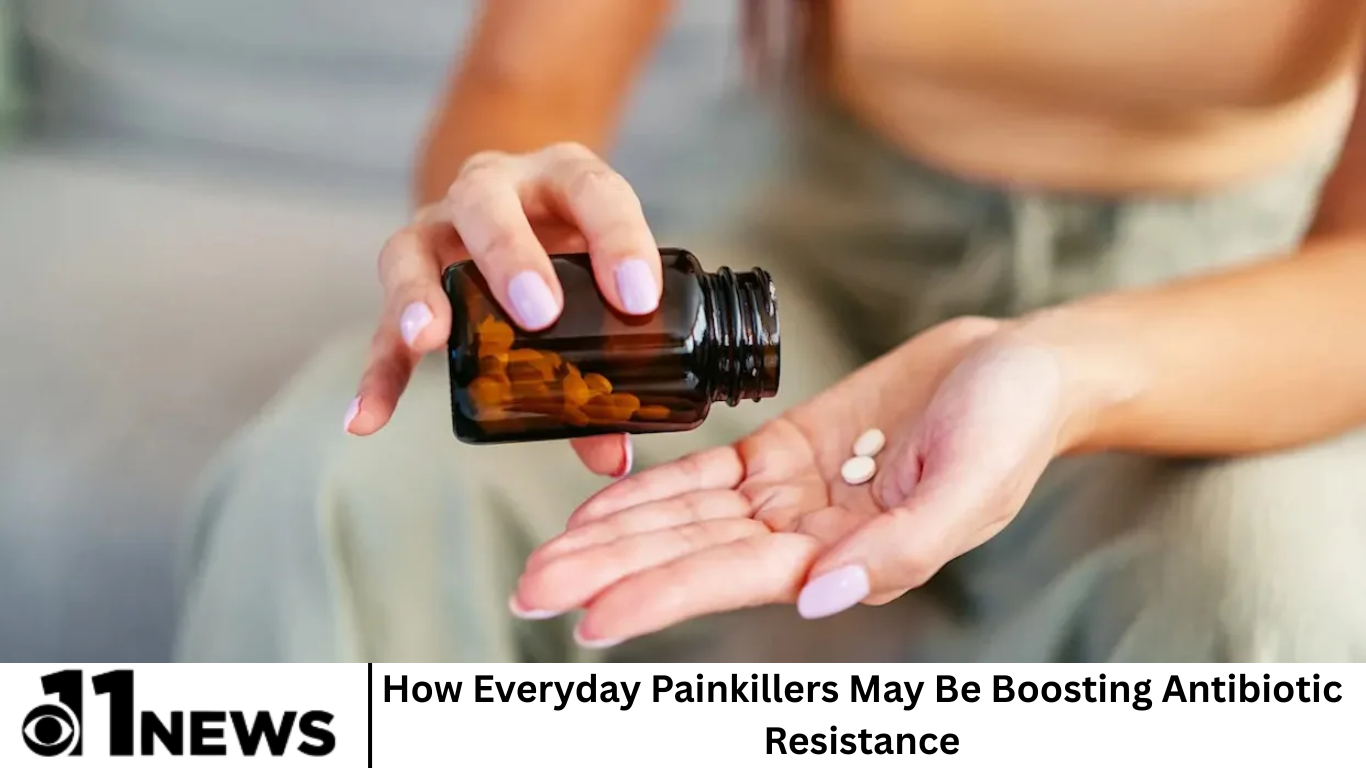

In the modern world, popping a pill for a headache, fever, or muscle pain is second nature. Over-the-counter (OTC) painkillers like ibuprofen, acetaminophen, and aspirin are household staples. These non-prescription medications are often viewed as harmless solutions for minor ailments.
However, emerging research has begun to shed light on a disturbing possibility: some common painkillers may be contributing to one of the most urgent global health threats—antibiotic resistance. Antibiotic resistance occurs when bacteria evolve to resist the drugs designed to kill them.
While misuse of antibiotics has long been identified as the main culprit, scientists are now warning that non-antibiotic drugs, especially NSAIDs (non-steroidal anti-inflammatory drugs), may also play an unexpected and insidious role.
More Read: India Launches Airstrikes on Pakistan: Experts Weigh In on What Comes Next
What Is Antibiotic Resistance?
Antibiotic resistance happens when bacteria adapt in ways that render antibiotics less effective or even useless. Resistant infections are harder to treat, require longer hospital stays, and increase the risk of death. According to the World Health Organization (WHO), antibiotic-resistant infections cause an estimated 1.27 million deaths annually, and that number is rising.
The usual suspects behind resistance include:
- Overprescription of antibiotics
- Incomplete courses of treatment
- Use of antibiotics in livestock
- Poor hygiene and sanitation
- Lack of new antibiotics in development
However, a lesser-known factor has entered the equation—painkillers, particularly NSAIDs.
The Surprising Link Between Painkillers and Antibiotic Resistance
While antibiotics directly interact with bacteria to kill or inhibit them, painkillers are not designed for this purpose. So how could they be involved in fostering resistance?
Recent studies have revealed that some painkillers alter bacterial behavior in the body and the environment. For example:
- Ibuprofen, naproxen, and diclofenac—commonly used NSAIDs—have been shown to cause stress in bacteria.
- This stress can trigger defense mechanisms in bacteria, similar to how they respond to antibiotics.
- These defenses include pumping out drugs (efflux), mutating genes, or forming protective layers known as biofilms.
- Over time, bacteria that survive these interactions become more robust—and potentially resistant.
A Closer Look at the Studies
In a 2020 study published in Environmental Pollution, researchers found that NSAIDs could enhance the horizontal gene transfer (HGT) in bacteria—a key process where bacteria swap genetic material, including resistance genes.
Another study in Antimicrobial Agents and Chemotherapy revealed that ibuprofen increased the expression of resistance genes in Escherichia coli (E. coli) bacteria, making them more resilient not only to antibiotics but also to the immune response.
Environmental Contamination and Resistance
It’s not just what happens inside our bodies that matters. Painkillers are often excreted unchanged or partially metabolized, ending up in wastewater. Unfortunately, most wastewater treatment plants are not equipped to fully remove pharmaceutical compounds.
This means NSAIDs can persist in the environment, exposing bacterial communities in rivers, soil, and sewage to these drugs continuously.
This low-level, chronic exposure can:
- Encourage bacteria to develop resistance even outside the human body
- Create “hotspots” of resistant genes in water bodies
- Contribute to the global spread of superbugs through interconnected ecosystems
Why This Matters for You
The idea that painkillers—especially those available without a prescription—could help bacteria outsmart antibiotics is deeply concerning. The consequences are not theoretical. Antibiotic-resistant infections are already undermining surgeries, cancer treatments, and basic wound care.
If the use of common painkillers adds to this crisis, we face a double-edged threat:
- People unknowingly fueling resistance by taking non-antibiotic drugs
- Medical practitioners facing dwindling treatment options for everyday infections
- This connection urges us to rethink how we use all pharmaceuticals, not just antibiotics.
How the Medical Community Is Responding
The link between painkillers and antibiotic resistance is still being investigated, but the medical and scientific communities are not standing idle. Here’s how experts are beginning to address the issue:
Raising Awareness
Public health bodies are now emphasizing that all drugs can impact microbial ecosystems, not just antibiotics.
Monitoring Pharmaceutical Waste
Wastewater treatment upgrades and pharmaceutical take-back programs are becoming priorities to reduce environmental contamination.
Revising Prescription Guidelines
Doctors are being encouraged to limit unnecessary prescriptions, even for painkillers, particularly in hospital settings where resistant infections are rampant.
Supporting Research
Grants and incentives are being channeled into research exploring how various non-antibiotic drugs interact with bacteria and resistance mechanisms.
What You Can Do to Reduce Risk
While systemic changes are necessary, individuals play a critical role in combating antibiotic resistance. Here are steps you can take today:
Use Painkillers Responsibly
- Don’t take NSAIDs unless necessary
- Follow dosage instructions carefully
- Avoid combining multiple painkillers
Avoid Flushing Medications
- Use community take-back programs instead
- Flushing or tossing pills in the trash contributes to water and soil contamination
Complete Prescribed Courses
If you are on antibiotics, finish the entire course even if you feel better. This helps prevent bacteria from surviving and mutating.
Ask Your Doctor Questions
- Do I really need this medication?
- Are there non-drug alternatives?
- What are the risks of prolonged use?
Support Policies and Research
Advocate for better regulation of pharmaceuticals, improved waste treatment, and increased funding for resistance research.
The Road Ahead
The realization that common painkillers could play a role in antibiotic resistance is a wake-up call. It’s a reminder that drug resistance is a multifaceted issue, influenced by medical, environmental, and behavioral factors. Ignoring the role of non-antibiotic drugs would be a costly mistake.
Public health experts warn that if trends continue unchecked, we could return to a “pre-antibiotic era” where minor infections become fatal. To prevent this, we must broaden our perspective beyond antibiotics alone and consider how all medications influence bacterial ecosystems.
The challenge is complex, but the solution starts with awareness—and responsible action.
Frequently Asked Question
Can taking ibuprofen really make bacteria resistant to antibiotics?
Not directly in the way antibiotics do, but studies show that ibuprofen and other NSAIDs can stress bacteria, causing them to activate defense mechanisms. Over time, this stress can lead to mutations and gene transfers that make bacteria more resistant—even to unrelated antibiotics.
Which painkillers are linked to antibiotic resistance?
The most studied include:
- Ibuprofen
- Diclofenac
- Naproxen
- Aspirin
These are all NSAIDs. However, research is ongoing, and other drugs may also play a role.
Are acetaminophen (paracetamol) and NSAIDs equally risky?
Acetaminophen (paracetamol) is not an NSAID and has shown less evidence of promoting bacterial resistance. However, it still enters the environment and could affect microbial communities in ways not yet fully understood.
Is it safe to take painkillers for a headache or fever now?
Yes, in moderation. The key takeaway is not to overuse painkillers unnecessarily and to dispose of them responsibly. Occasional use for genuine discomfort is not likely to have a major impact, but long-term or excessive use may contribute to the broader problem.
How can I safely dispose of unused painkillers?
- Use pharmacy take-back programs
- Avoid flushing pills or throwing them in the trash
- Check with local authorities for designated disposal sites
Why are these effects only being discovered now?
Antibiotic resistance research has historically focused on antibiotics themselves. Only recently have scientists begun examining how other drugs, like NSAIDs, interact with bacteria, especially as technologies in microbiology and genomics advance.
What is being done globally to address this issue?
- Governments are funding new research on non-antibiotic drug resistance
- WHO and environmental agencies are monitoring pharmaceutical pollutants
- Hospitals and clinics are reviewing drug use protocols
- Activists are pushing for cleaner pharmaceutical manufacturing practices
Conclusion
The revelation that everyday painkillers may be contributing to antibiotic resistance underscores a sobering truth: our drug habits—no matter how benign they seem—have far-reaching consequences. It’s not just about how we use antibiotics anymore. Even common pain relievers might be quietly shaping the microbial world in dangerous ways.As the global community grapples with antibiotic resistance, expanding our understanding of all contributing factors is essential. Whether through responsible medication use, environmental stewardship, or support for new research, each of us has a role to play in turning the tide.