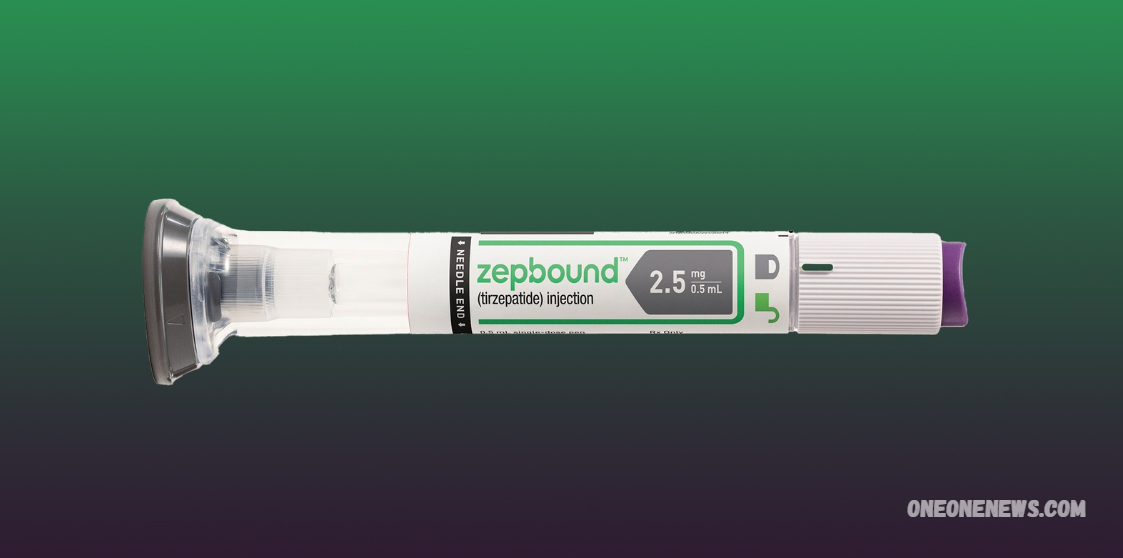

Eli Lilly announced on Tuesday that it will offer higher-dose vials of Zepbound at reduced prices through its direct-to-consumer program. The program is designed for individuals whose insurance does not cover the cost of the drug, including those on Medicare. These vials will be available exclusively for self-payment on the company’s Lilly Direct website.
The initiative may appeal to individuals who had previously been using compounded tirzepatide, the active ingredient in Zepbound. Many patients opt for non-branded versions of the drug, which are often significantly less expensive than the FDA-approved branded version from Lilly.
Similar to compounded tirzepatide, the self-administered vials require patients to inject the drug themselves using a needle and syringe. Each participant will receive four single-dose vials per month.
Lilly will now offer 7.5-milligram and 10-milligram vials at a price of $499 per month for initial prescriptions or refills within 45 days of the last delivery. After this 45-day window, the cost will increase to $599 and $699, respectively.
In addition to the higher doses, Lilly will also reduce the price of its previously available 2.5-milligram and 5-milligram vials by $50 each, bringing their prices down to $349 and $499, respectively. This pricing adjustment follows the introduction of the self-administered vials in August.
Expanding Single-Dose Vials for Zepbound Users
A spokesperson for Eli Lilly told Verywell that approximately 10% of individuals who begin taking Zepbound for the first time opt into the company’s self-pay program. This includes patients who had previously used compounded tirzepatide.
For more than a year after Zepbound’s market debut in 2022, persistent shortages made it challenging for patients to obtain the drug from pharmacies. During this period, telehealth companies like Hims & Hers, along with Ro, partnered with compounding pharmacies to provide off-brand tirzepatide to their members.
Under FDA regulations, when a drug is in shortage, compounding pharmacies are permitted to produce alternative versions of the drug. These compounded versions are often prescribed when patients require a different dosage or formulation than the FDA-approved version. In the case of GLP-1 drugs, compounded alternatives are typically much less expensive than their branded counterparts.
In December, the FDA declared that the tirzepatide shortage had been resolved and removed the drug from its shortage list. In response, the Outsourcing Facilities Association, a trade group representing compounding pharmacies, filed a lawsuit against the agency. The lawsuit argues that tirzepatide remains insufficiently available and claims that the FDA’s decision to remove it from the shortage list was “reckless and arbitrary,” particularly since there was no transition period provided for patients.
This week, the FDA also removed Ozempic and Wegovy from the drug shortage list, giving compounding pharmacies a 30- to 60-day off-ramp period to help patients transition to the brand-name versions.
Scott Brunner, CEO of the Alliance for Pharmacy Compounding, expressed concerns about the FDA’s decision, stating, “I do question whether in resolving the shortage the FDA has taken into account the demand for the compounded drug—the number of patients who’ll need to be transitioned from the compounded version to the FDA-approved version. There’s likely to be some sticker shock for many, and whether they’ll be able to continue to afford the therapy remains to be seen.”
Differences Between Zepbound Vials and Pens
Zepbound is typically administered using an auto-injector pen, which is prefilled with a set dose, allowing patients to easily inject the medication under their skin with the press of a button.
However, patients enrolled in Lilly’s self-pay program receive single-dose vials instead. These individuals are required to use a syringe and needle to draw the medication and administer the injection themselves. To assist with this process, Lilly provides detailed instructions on how to correctly fill the syringe, eliminate air bubbles, and administer the medication to ensure the correct dosage.
Dr. Brintha Vasagar, a family medicine physician in Wisconsin, advises patients who are trying self-injection for the first time to consult with their healthcare team for guidance on the best injection sites and techniques.
“The needles for these types of injections are small, but you can make the process more comfortable by applying an ice pack to the area for a few minutes before injecting to numb the skin,” Dr. Vasagar explained in an email to Verywell. “Self-injecting with a single-use needle, compared to an auto-injector, generally requires more preparation to ensure the correct dose, but both methods feel similar during injection.”
It is important to note that compounded versions of tirzepatide may contain different ingredients depending on the pharmacy that manufactures them. Dr. Vasagar highlighted that patients transitioning from a compounded version to the branded Zepbound may experience other side effects.
“Both the branded and compounded medications require physician oversight and a prescription,” she stated. “Your family physician can help manage any side effects, ensure you’re on the appropriate dose, and support you in making necessary lifestyle changes to maintain a healthy weight.”
Frequently Asked Questions
Why did Eli Lilly lower the cost of Zepbound vials?
Eli Lilly reduced the cost of Zepbound vials to make the medication more accessible to individuals without insurance coverage for the drug, such as those on Medicare. This move is part of their direct-to-consumer program, which offers self-pay vials for patients who need to administer the drug themselves.
How much do the new Zepbound vials cost?
The cost of the self-administered vials has been reduced. The 7.5-milligram and 10-milligram vials are now priced at $499 per month for new prescriptions or refills within 45 days of the last delivery. After this window, the prices will increase to $599 and $699, respectively. Additionally, the 2.5-milligram and 5-milligram vials are now priced at $349 and $499, respectively, down from their previous prices.
Who is eligible to participate in the self-pay program?
The self-pay program is available to individuals who do not have insurance coverage for Zepbound or who are unable to afford the FDA-approved branded version. It is particularly aimed at those on Medicare, as well as others without insurance coverage for the drug.
How do patients administer Zepbound using the self-pay vials?
Patients in the self-pay program receive single-dose vials, which they must administer using a syringe and needle. Lilly provides instructions on how to properly fill the syringe, eliminate air bubbles, and inject the medication to ensure patients receive the full dose.
Are there any differences between Zepbound and compounded versions of tirzepatide?
Yes, compounded versions of tirzepatide, which are often used as a lower-cost alternative, may contain different ingredients depending on the pharmacy that produces them. Patients transitioning from a compounded version to the branded Zepbound may experience different side effects. It is essential to consult a healthcare provider for guidance on dosage and potential side effects.
What is the difference between using an auto-injector pen and the self-pay vials?
Zepbound is typically available in an auto-injector pen, which allows patients to inject the medication easily with the press of a button. However, the self-pay vials require patients to draw the medication using a syringe and needle. Although both methods of injection are similar in terms of experience, the self-injection process with vials may require more preparation to ensure the correct dosage is administered.
Can patients who use compounded tirzepatide transition to Zepbound?
Yes, patients using compounded tirzepatide can transition to Zepbound. However, it is essential to note that compounded versions may have different ingredients, which could result in varying side effects. It’s essential to work with a healthcare provider to ensure the correct dosage and manage any potential side effects during the transition.
How can I learn more about administering the medication myself?
Eli Lilly provides detailed instructions on how to properly use the self-administered vials, including guidance on filling the syringe and ensuring proper injection technique. Additionally, Dr. Brintha Vasagar, a family medicine doctor, suggests that patients new to self-injection speak with their healthcare team for personalized advice on injection sites and techniques to make the process as comfortable as possible.
Conclusion
Eli Lilly’s decision to lower the cost of Zepbound vials reflects the company’s commitment to increasing accessibility for patients who face financial barriers or lack insurance coverage for the drug, particularly those on Medicare. By offering more affordable pricing through its self-pay program, Lilly aims to provide a more viable option for individuals who previously relied on compounded tripeptide or were unable to afford the branded version. With this move, Lilly is addressing both the demand for lower-cost alternatives and the challenges posed by shortages in the medication market, all while maintaining the importance of proper guidance and physician oversight for self-injection. Ultimately, the price reduction is a strategic effort to help more patients access effective treatment while also supporting broader efforts to manage rising healthcare costs.