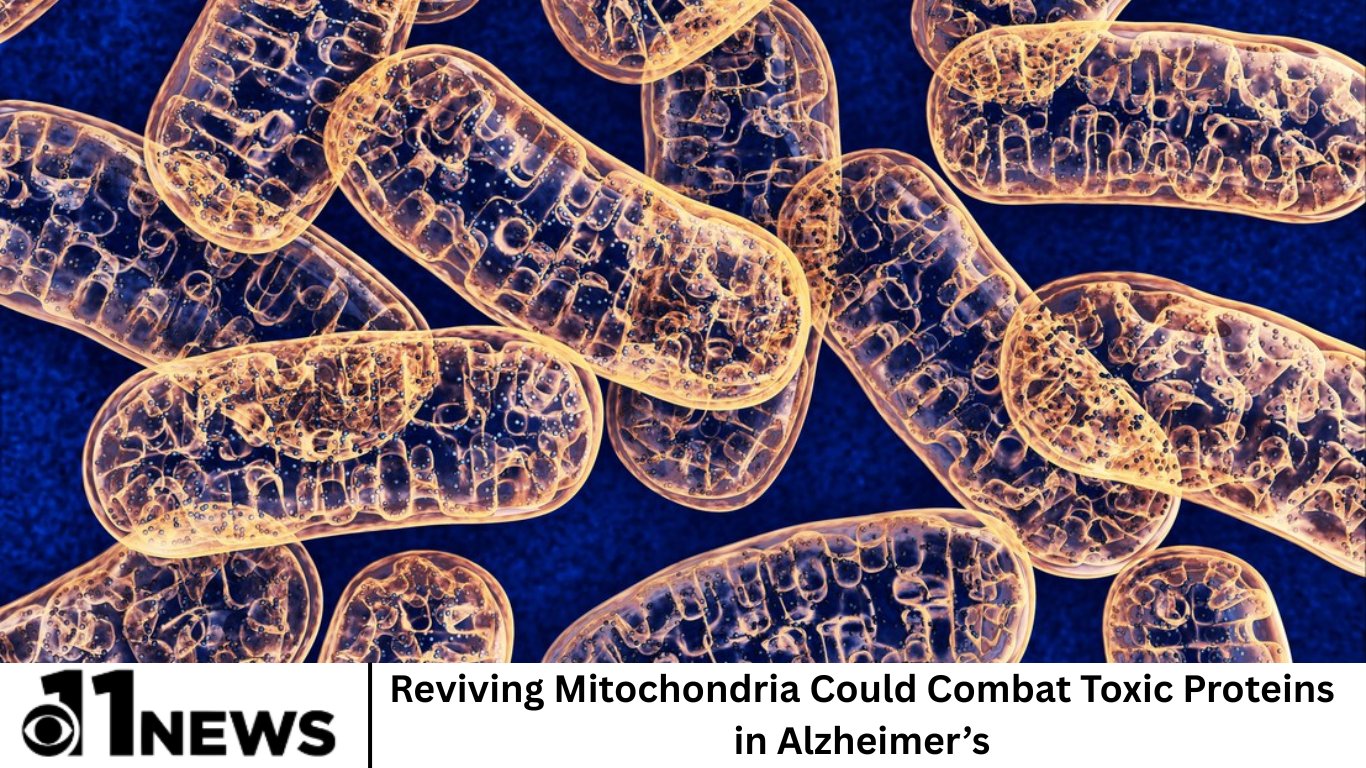

Alzheimer’s disease, a devastating neurodegenerative condition, affects millions worldwide. Characterized by memory loss, cognitive decline, and personality changes, it is a disease that slowly robs individuals of their identity and independence. However, a promising frontier is emerging in the form of mitochondrial rejuvenation.
Mitochondria—often called the “powerhouses” of the cell—play a crucial role in maintaining the health of neurons. Recent studies suggest that reviving or repairing mitochondrial function may reduce the buildup of toxic proteins like beta-amyloid and tau, which are hallmarks of Alzheimer’s.
This article delves into the science behind mitochondria and Alzheimer’s, explores how damaged mitochondria contribute to neurodegeneration, and reviews cutting-edge therapies aimed at mitochondrial repair.
More Read: Guidance for Students: Navigating Current Events Through Education
Understanding Alzheimer’s Disease
Alzheimer’s is the most common form of dementia, accounting for 60–80% of all cases. It primarily affects individuals over the age of 65, though early-onset forms can appear in younger adults. The disease progresses in stages—starting with mild memory lapses and culminating in severe loss of mental function.
Two abnormal structures accumulate in the brains of Alzheimer’s patients:
- Beta-amyloid plaques: Clumps of protein fragments that collect between neurons and disrupt cell signaling.
- Tau tangles: Twisted strands of the protein tau that build up inside cells, interfering with nutrient transport.
These toxic proteins lead to neuronal death and brain atrophy, but they don’t act alone. Increasing evidence shows that mitochondrial dysfunction plays a pivotal role in triggering and amplifying this damage.
The Role of Mitochondria in Brain Health
Mitochondria are essential to cellular health, especially in the brain. Neurons are energy-hungry cells that rely on mitochondria to:
- Generate ATP (adenosine triphosphate), the main source of cellular energy.
- Regulate calcium signaling, critical for neurotransmission.
- Manage oxidative stress by balancing reactive oxygen species (ROS).
- Initiate cellular repair and apoptosis (programmed cell death).
In healthy individuals, mitochondria continuously divide, fuse, and remove damaged parts in a process known as mitochondrial dynamics. These processes ensure that energy demands are met and cellular waste is kept in check.
However, in Alzheimer’s patients, mitochondrial function becomes compromised—leading to increased oxidative stress, lower ATP levels, and reduced ability to clear toxic proteins.
How Mitochondrial Dysfunction Contributes to Alzheimer’s
Several mechanisms link mitochondrial failure to Alzheimer’s progression:
Energy Deficit
As neurons lose the ability to generate adequate energy, their function declines. This makes them more vulnerable to beta-amyloid toxicity and other stressors.
Oxidative Damage
Damaged mitochondria release excess ROS, which harm DNA, proteins, and cell membranes. This accelerates the accumulation of toxic proteins.
Impaired Protein Clearance
Healthy mitochondria are involved in autophagy—the process of clearing damaged proteins and cellular debris. When this function fails, tau and amyloid accumulate faster.
Neuroinflammation
Mitochondrial dysfunction can activate immune cells in the brain, leading to chronic inflammation that further damages neurons.
Collectively, these factors create a vicious cycle: toxic proteins damage mitochondria, and damaged mitochondria accelerate the formation of toxic proteins.
Scientific Breakthroughs in Mitochondrial Rejuvenation
A growing body of research highlights the benefits of targeting mitochondrial health in Alzheimer’s therapy. Scientists are exploring multiple avenues, including:
Gene Editing
Using tools like CRISPR, researchers are attempting to fix mitochondrial DNA (mtDNA) mutations associated with Alzheimer’s.
Mitochondrial Transfer
In laboratory settings, scientists have successfully transferred healthy mitochondria into damaged neurons, restoring their function temporarily.
Mitochondria-Targeted Antioxidants
New compounds such as MitoQ and SkQ1 are designed to directly enter mitochondria and neutralize ROS, reducing oxidative damage.
NAD+ Restoration
NAD+ is a critical molecule for mitochondrial energy production. Boosting NAD+ levels using supplements like nicotinamide riboside (NR) has shown promise in animal models.
Exercise and Caloric Restriction
Studies show that lifestyle interventions like regular aerobic exercise and intermittent fasting naturally enhance mitochondrial function and may delay Alzheimer’s symptoms.
Therapies Aimed at Mitochondrial Repair
Several drugs and supplements are being tested in clinical trials for their ability to restore mitochondrial function:
Elamipretide (SS-31)
This peptide targets mitochondrial membranes, stabilizing them and enhancing ATP production. It has shown neuroprotective effects in early trials.
Coenzyme Q10
A natural antioxidant that plays a key role in mitochondrial energy transfer. Although results are mixed, it remains under investigation for neurodegenerative diseases.
PQQ (Pyrroloquinoline quinone)
PQQ promotes mitochondrial biogenesis (growth of new mitochondria). It’s currently being explored as a supplement for cognitive health.
Metformin
Traditionally used for diabetes, metformin may activate pathways that improve mitochondrial efficiency and reduce inflammation.
BHB (Beta-Hydroxybutyrate)
A ketone body produced during fasting or ketogenic dieting, BHB can provide an alternative energy source for neurons and protect mitochondria.
While many of these treatments are in early stages, they represent a paradigm shift in Alzheimer’s therapy—from simply managing symptoms to targeting root causes at the cellular level.
Challenges and Future Directions
Despite the promising research, several challenges remain:
- Delivery: Getting therapeutic molecules across the blood-brain barrier and into neurons is notoriously difficult.
- Individual variation: Mitochondrial DNA is inherited maternally and varies significantly between people, affecting how they respond to treatment.
- Long-term safety: Boosting mitochondrial function must be carefully controlled to avoid unintended consequences, such as tumor growth or metabolic imbalance.
- Cost and accessibility: Advanced gene-editing and mitochondrial-targeted drugs may be expensive and not widely available in the short term.
However, the momentum is growing. Global funding for Alzheimer’s and mitochondrial research is increasing, and collaborations between universities, biotech firms, and pharmaceutical companies are accelerating breakthroughs.
The future of Alzheimer’s treatment may not lie in just clearing plaques or tangles—but in repairing the very engines that keep brain cells alive.
Frequently Asked Question
What are mitochondria and why are they important in Alzheimer’s disease?
Mitochondria are organelles that produce energy for cells. In the brain, they support neuron function and survival. Dysfunctional mitochondria in Alzheimer’s contribute to energy deficits, oxidative stress, and protein buildup, all of which accelerate the disease.
How do toxic proteins like beta-amyloid and tau affect the brain?
Beta-amyloid forms sticky plaques between neurons, disrupting communication. Tau forms tangles inside neurons, blocking nutrient transport. Together, they cause inflammation, cell death, and brain shrinkage over time.
What causes mitochondrial dysfunction in Alzheimer’s patients?
Aging, genetic mutations, environmental toxins, and the presence of beta-amyloid all contribute to mitochondrial damage. These changes reduce energy production and increase oxidative stress, creating a feedback loop that worsens disease progression.
Can improving mitochondrial health really slow down Alzheimer’s progression?
Evidence from lab and animal studies suggests that restoring mitochondrial function can improve memory, reduce toxic protein levels, and protect neurons. Human trials are ongoing to test these findings in real-world settings.
Are there current treatments targeting mitochondria for Alzheimer’s?
Yes, experimental treatments like Elamipretide, CoQ10, and NAD+ boosters are under investigation. Some lifestyle approaches like exercise and fasting also improve mitochondrial health and may offer benefits.
Is mitochondrial therapy safe and available for patients today?
Most mitochondrial therapies are still in clinical trial phases. While supplements like CoQ10 and NAD+ are available over the counter, their effectiveness in treating Alzheimer’s remains under study. Always consult a healthcare provider before starting new treatments.
What’s the future of Alzheimer’s research involving mitochondria?
The future looks promising. Researchers are developing new drugs, gene therapies, and delivery methods that specifically target mitochondria. Combining these with traditional treatments may lead to more effective, personalized care for Alzheimer’s patients.
Conclusion
Alzheimer’s remains one of the most challenging diseases of our time, with no definitive cure and limited treatments. Yet, the emerging science of mitochondrial rejuvenation offers new hope. By reviving these cellular powerhouses, researchers are not only improving our understanding of how the disease progresses but also paving the way for more effective therapies. Targeting mitochondria could change the game—not just by delaying the onset of Alzheimer’s, but by actually reversing some of its early damage.