
Tour guides briefing Western tourists before crossing the border into North Korea often emphasize a set of strict guidelines: refrain from criticizing the country’s leaders, avoid disparaging the ideology, and refrain from judgment.
Beyond these restrictions, visitors are given essential practical details—no phone signal, no internet access, and no access to cash machines.
As Rowan Beard, the founder of Young Pioneer Tours, explains, “The North Koreans aren’t robotic; they have their own opinions, goals, and even a sense of humor. During our briefing, we encourage travelers to engage with them, listen to their perspectives, and gain a deeper understanding of their culture.” Young Pioneer Tours, one of the few Western companies to resume travel to North Korea after a five-year hiatus, has been leading trips into the country once again.
What the Tourists Saw
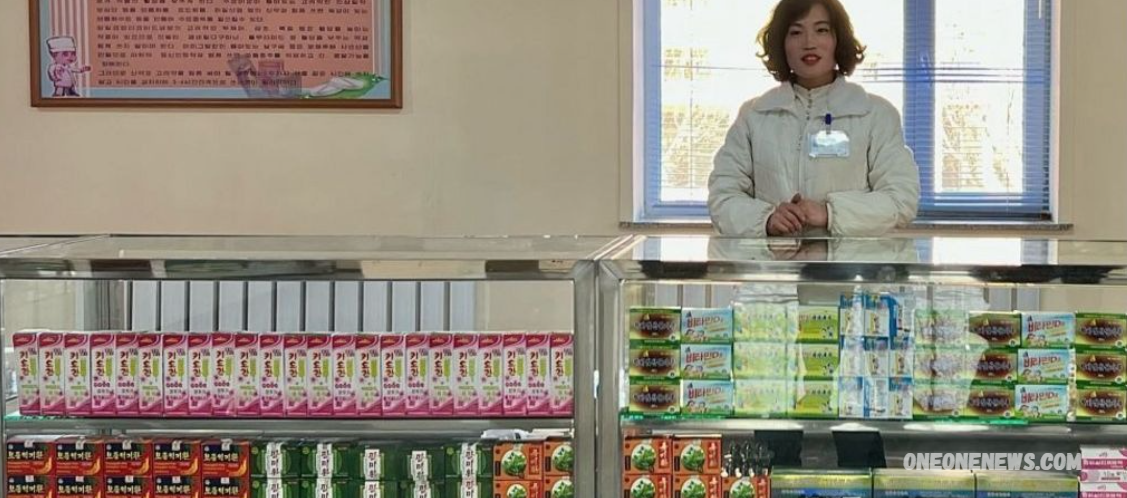
For the British tourists, the sights of North Korea were striking, even under the confines of the regime’s control. Many reported being surprised by the relatively normal activities of everyday North Koreans. While the country’s capital, Pyongyang, is carefully curated for foreign visitors, they were able to observe local life, from ordinary citizens commuting on bicycles to a bustling subway system.
One tourist, who wished to remain anonymous, noted how they were “struck by the silence” that pervaded the streets. “There’s a noticeable absence of commercialism—no advertisements or flashy billboards,” they remarked. “It’s almost like stepping back in time to a place that the outside world hasn’t influenced for decades.”
The group also visited key monuments to the country’s leadership, including the statues of Kim Il-sung and Kim Jong-il, where they were encouraged to bow and show respect. Visitors were also shown the “mass games” of synchronized performances, which, though visually impressive, served as a reminder of the regime’s emphasis on collective unity over individual expression.
Chaos And Unproven Theories Surround Tates’ Release From Romania
Insights into North Korean Society
Though tightly controlled government guides often lead tourists, some British visitors were able to engage in conversations with ordinary North Koreans. One tourist described meeting a North Korean man who worked as a translator. “He was curious about our lives in the West, asking about how we viewed his country and the outside world,” they said. “I found it fascinating to hear someone from North Korea share their perspective, even though we knew it was all filtered through the lens of what the government wanted us to hear.”
Despite the strict restrictions, the tourists were encouraged to engage respectfully with their guides, who, according to Beard, are often eager to show the world a positive view of their country. “We always tell our tourists to listen and try to understand the perspectives of the North Koreans, not to judge them by Western standards,” Beard added.
However, the visitors were also quick to notice the heavy presence of military personnel and the stringent control over information. There were no signs of independent media, and the country’s lack of free expression was glaring. Most tourists remained acutely aware of the surveillance that surrounded them, often feeling like they were constantly being watched.
The Future of North Korean Tourism
While tourism has been halted for several years due to political tensions and the global pandemic, the recent resumption of British tours to North Korea marks a potential shift in the country’s openness to outsiders. However, the future of tourism remains uncertain as North Korea’s political climate continues to fluctuate. With strict regulations in place, visitors must remain vigilant and respectful of the country’s rules and customs.
As Rowan Beard noted, tourism in North Korea is a delicate balance. “The reality is that North Korea is not a typical travel destination. It’s a country where everything is controlled, but it’s also a place that offers a glimpse into a very different world. The experiences we offer are not about endorsing or criticizing the regime but about understanding it from a first-hand perspective.”
For the first British tourists allowed into North Korea, the experience was a rare and fascinating opportunity to witness life in one of the most isolated and enigmatic nations on Earth. Whether or not tourism to the country will continue to grow remains to be seen. Still, these visitors returned home with an understanding that few outsiders ever experience—one that offers both insight and challenges the preconceived notions of the world’s most reclusive state.
Frequently Asked Questions
Why were British tourists allowed to visit North Korea after five years?
The recent return of British tourists to North Korea follows a five-year hiatus caused by political tensions and the global pandemic. As the situation began to stabilize, North Korea resumed allowing select international visitors, including British tourists, under strict guidelines. The resumption of these tours is seen as a small step toward the country’s gradual re-engagement with the outside world.
What were the main rules for tourists visiting North Korea?
Tourists were briefed on a set of strict rules before their visit. These included refraining from criticizing the country’s leadership, ideology, or political system. Visitors were also warned about the absence of modern amenities such as phone signals, internet access, and cash machines. The overarching rule was to respect the country’s culture and policies, ensuring the trip remained in line with North Korea’s expectations for foreign visitors.
What did the British tourists see during their visit?
The British tourists saw a carefully curated version of North Korea, including visits to key monuments such as statues of Kim Il-sung and Kim Jong-il, and participation in the country’s highly choreographed mass games. They also observed aspects of everyday life, like citizens cycling to work and the quiet, controlled atmosphere of the streets. Tourists were struck by the absence of commercialism and advertisements, giving the area a distinctly time-warped feel.
Were tourists able to interact with local North Koreans?
Yes, although interactions were heavily monitored and guided, some tourists did have the chance to engage in conversation with North Korean citizens, such as translators or service workers. These interactions provided a rare glimpse into the lives of ordinary North Koreans, though the country’s political environment often influenced the conversations.
How did the tourists feel about the lack of independent media and freedom of expression?
Most tourists were acutely aware of the absence of independent media and the lack of freedom of expression in North Korea. They observed the strict control over information and the omnipresent surveillance, leading many to feel that they were constantly being watched. The lack of open discourse was a stark reminder of the country’s tightly controlled regime.
What was the atmosphere like for the British tourists in North Korea?
The atmosphere was unique—tourists reported feeling both fascinated and constrained. There was a noticeable lack of the hustle and bustle common in other countries, with much of the public activity appearing synchronized and orderly. Visitors were keenly aware of the government’s presence, which influenced the way they experienced the country. Some described the feeling of stepping back in time, due to the lack of modern advertising and commercialism.
Will more British tourists be allowed to visit North Korea in the future?
It is uncertain. While the recent resumption of tourism represents a potential opening of the country, North Korea’s political climate remains unpredictable. As of now, the future of tourism depends largely on the stability of the region and the country’s willingness to continue engaging with international visitors. However, as seen with the recent trip, there is still a desire for controlled and selective tourism.
Conclusion
The first group of British tourists allowed to visit North Korea after a five-year hiatus offers a rare and intriguing glimpse into one of the most secretive and controlled nations in the world. Despite the strict rules, heavy surveillance, and the absence of modern conveniences, these visitors returned with a complex understanding of life in North Korea. Their experiences revealed both the country’s uniqueness and restrictions, challenging many preconceived notions and providing a rare window into a world often defined by isolation and control.
While their interactions were carefully guided and curated, the tourists saw a side of North Korea that many outside the country rarely experience—where everyday life continues behind a facade of political messaging and state control. This trip underscores the delicate balance between tourism and diplomacy, highlighting how engagement with North Korea is shaped by strict boundaries and sensitivities.